Mauritia flexuosa
ARECACEAE
•
Bolivia
Available Inventory
Ready for pickup at Sunfish Gardens
7gal
$50
15gal
$100
Description
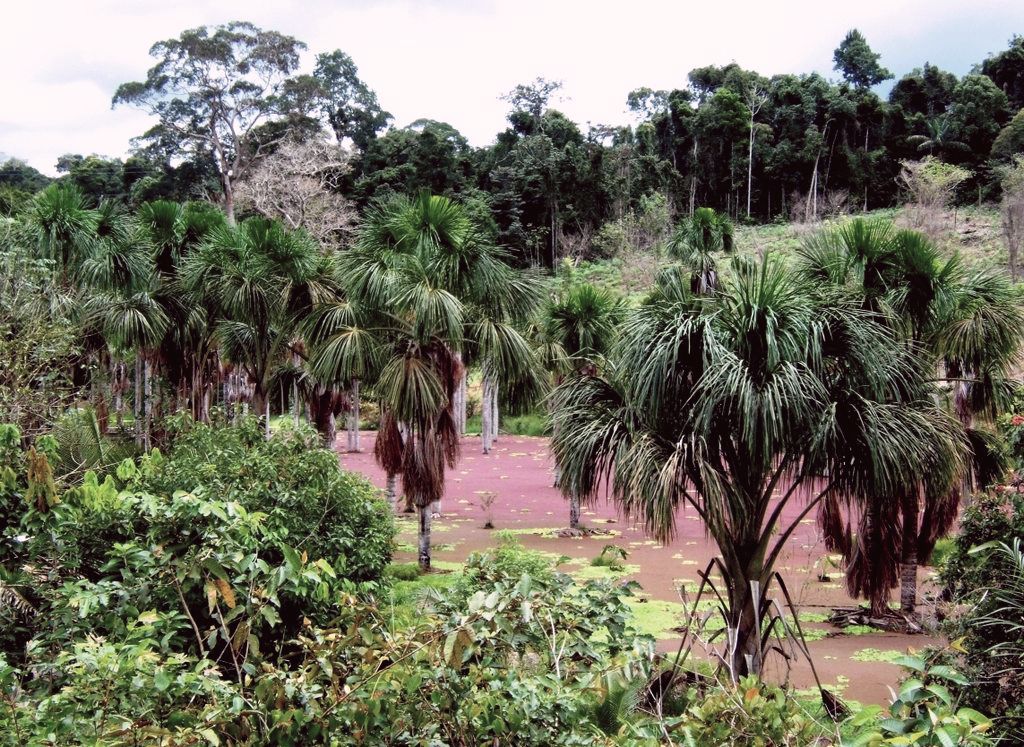
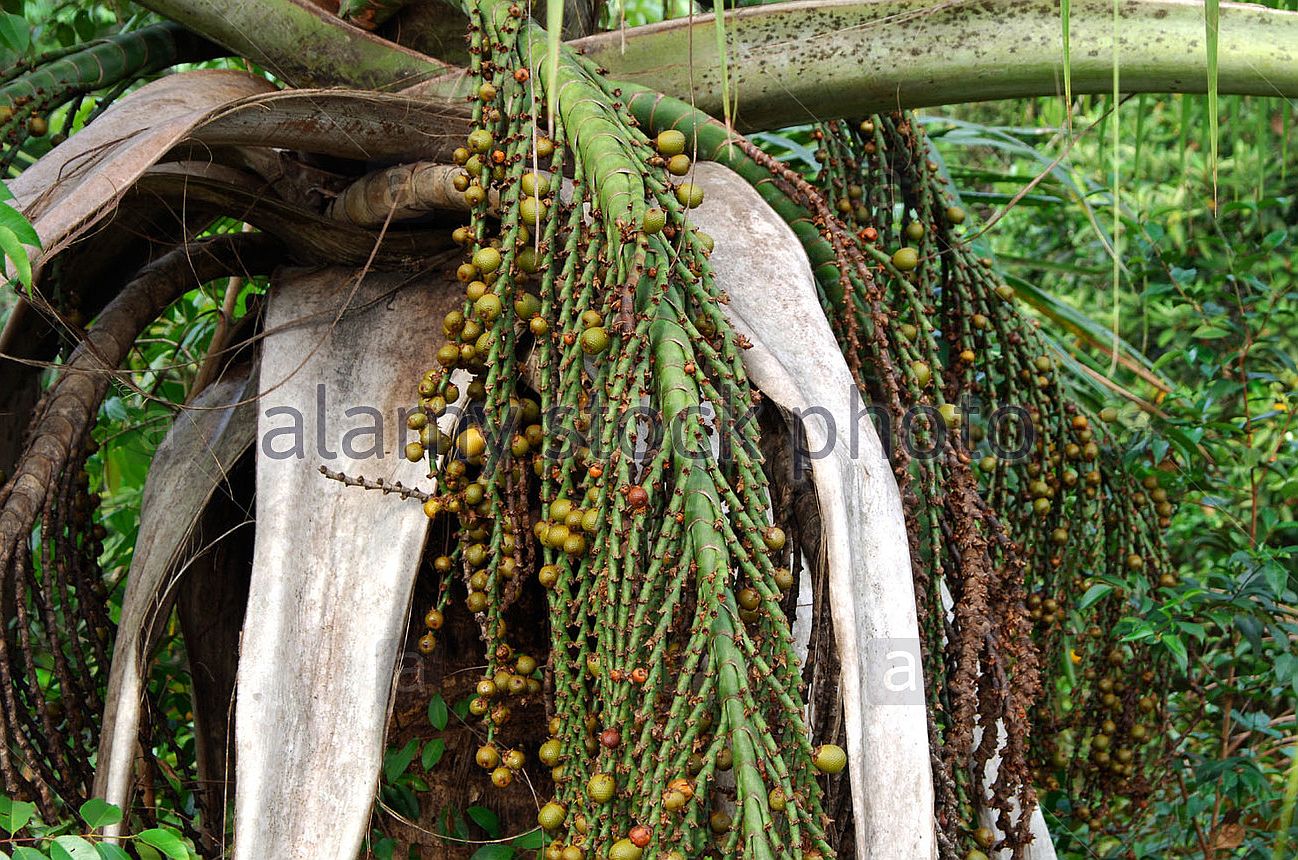
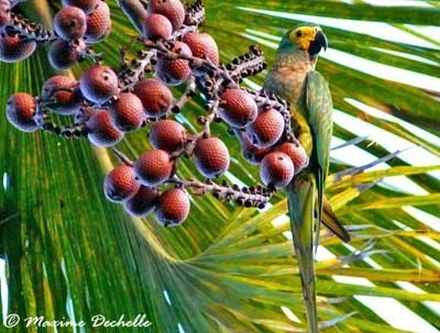
Solitary palm. Up to 35 metres in height, with petioles up to 6 m long, the large leaves form a rounded crown. Fruit is a chestnut colour and is covered with shiny scales. The yellow flesh covers a hard, oval, nut. The seeds float, and this is the means by which the palm tree propagates. In natural populations the tree reaches very high densities.
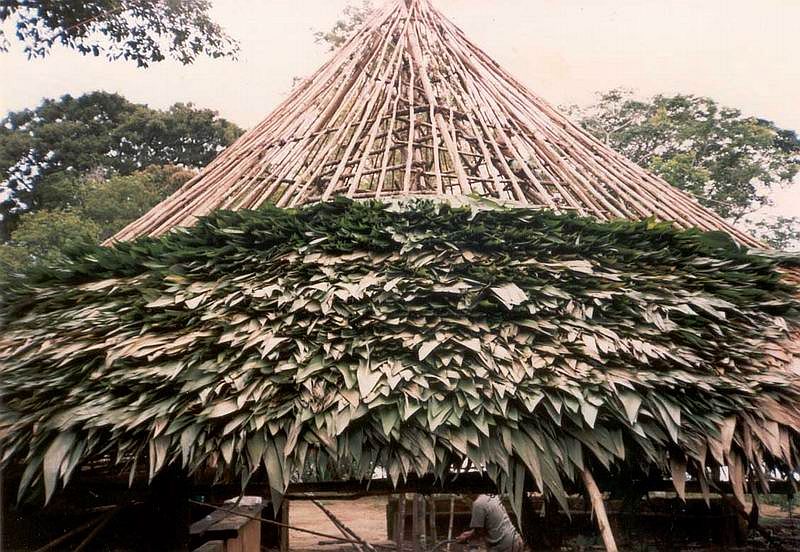
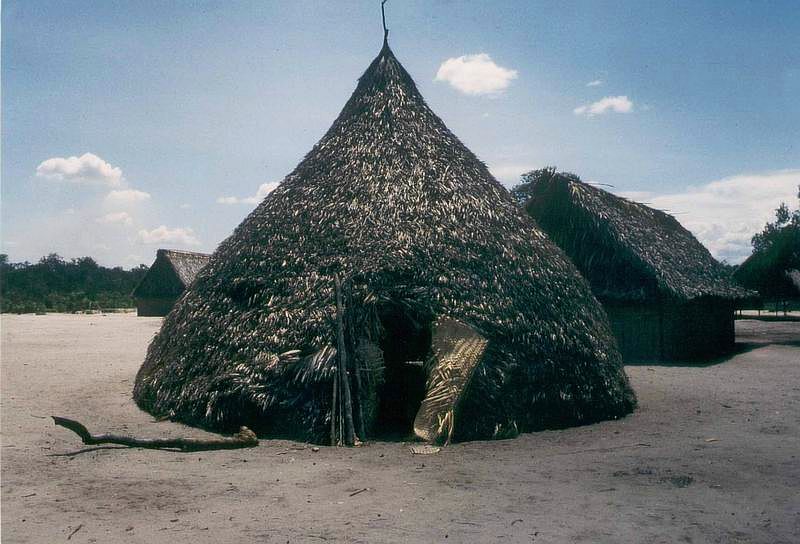
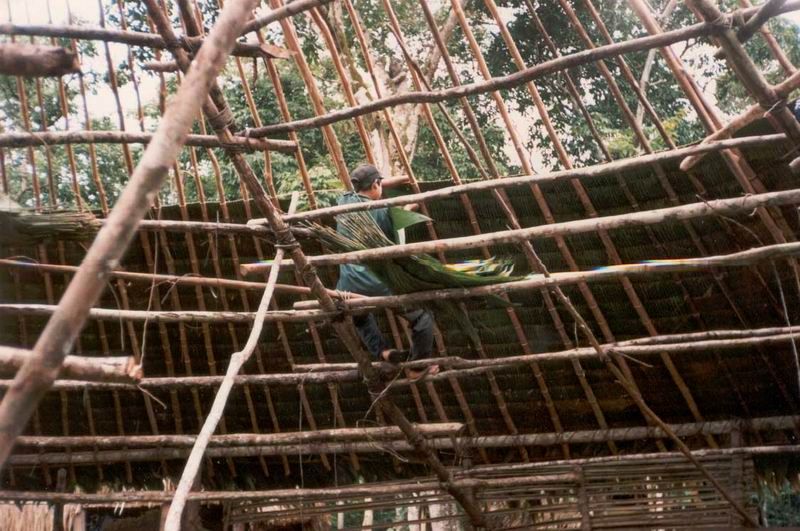
Root: subterranean root branches into small, thin, absorbing roots; aerial roots have pneumatophores for oxygen uptake; can also produce many 2-10 em long erect aerial rootlets on stem ("aerial root muff"). Stem: 15-30 m tall typically 0.3-0.6 m in diam. but reported up to 1.75 m; cortex is hard, unarmed and straight with distinct internodes; middle of stem is sometimes swollen; pith is spongy, reddish in color and contains up to 60% dry weight in starch (up to 60 kg starch can be extracted); sap can be fermented to produce a wine; rotten stems (particularly male plants) inhabited by the edible Rhyncophorus sp. (Bruchidae) larva (up to 500 larvae/stem). Leaf: 10-12 per palm and restricted to a terminal crown; production 5-12 leaves/palm/ year; briefly costapalmate, approx. 3.0 m in diam. with deeply cut and glossy green blades 0.8-1.2 m long and 1.5-2.0 m wide; leaf-blades bear a low hastula-like crest ("shaped) adaxially at base and have prominent midribs; leaf-blades are 2-4 cm wide drooping at tips; last 2-3 years as thatch. Petioles 2-3 m long and conspicuously adaxially channeled near base; otherwise circular in cross-section, smooth and unarmed. Flower: dioecious, but occasionally hermaphroditic; interfoliar (originates among leaves), persistent and pendulous; 2-3 m long with numerous short, tubular bracts, and catkin-like branches; male flower has six stamens; young inflorescence produces a sap that can be fermented into wine. Pollination: known pollen transporter is Melipona seminigra merrillae (Apidae). Fruit: 5-8 fruiting panicles per tree with up to 724 fruits per panicle; productivity 6.19.1 mt fruit/ha/yr. Fruit is large, usually one-seeded and sometimes wider than long: 4 cm in diam. and up to 5 em long with depression at top; loricate pericarp: many neat vertical rows of reflexed scales, red-brown when mature; rather thick, fleshy, edible, yellowish-red mesocarp; spongy, undifferentiated endocarp; corneous, homogeneous endosperm. Average fruit weight 75 g; mesocarp represents 20.5% and endocarp 12.0% of fresh weight; moisture constitutes 67%. Mesocarp contains up to 12.0% oil, woody seed and kernel up to 4.8% oil, dry remainder of meso- and endocarp; 5.2% protein, 26.2% fat, 38.2% starch and sugar, 2.9% ash, 27.5% cellulose, 30-300 mg/100 g edible portion b-carotene (50,000-500,000 ill provitamin A), and 18.4 mg/100 g edible portion a-tocopherol (vitamin E). Seeds are used as vegetable ivory; nuts are baked, ground and consumed as abortifacent. (TED L. GRAGSON 1995)
Root: subterranean root branches into small, thin, absorbing roots; aerial roots have pneumatophores for oxygen uptake; can also produce many 2-10 em long erect aerial rootlets on stem ("aerial root muff"). Stem: 15-30 m tall typically 0.3-0.6 m in diam. but reported up to 1.75 m; cortex is hard, unarmed and straight with distinct internodes; middle of stem is sometimes swollen; pith is spongy, reddish in color and contains up to 60% dry weight in starch (up to 60 kg starch can be extracted); sap can be fermented to produce a wine; rotten stems (particularly male plants) inhabited by the edible Rhyncophorus sp. (Bruchidae) larva (up to 500 larvae/stem). Leaf: 10-12 per palm and restricted to a terminal crown; production 5-12 leaves/palm/ year; briefly costapalmate, approx. 3.0 m in diam. with deeply cut and glossy green blades 0.8-1.2 m long and 1.5-2.0 m wide; leaf-blades bear a low hastula-like crest ("shaped) adaxially at base and have prominent midribs; leaf-blades are 2-4 cm wide drooping at tips; last 2-3 years as thatch. Petioles 2-3 m long and conspicuously adaxially channeled near base; otherwise circular in cross-section, smooth and unarmed. Flower: dioecious, but occasionally hermaphroditic; interfoliar (originates among leaves), persistent and pendulous; 2-3 m long with numerous short, tubular bracts, and catkin-like branches; male flower has six stamens; young inflorescence produces a sap that can be fermented into wine. Pollination: known pollen transporter is Melipona seminigra merrillae (Apidae). Fruit: 5-8 fruiting panicles per tree with up to 724 fruits per panicle; productivity 6.19.1 mt fruit/ha/yr. Fruit is large, usually one-seeded and sometimes wider than long: 4 cm in diam. and up to 5 em long with depression at top; loricate pericarp: many neat vertical rows of reflexed scales, red-brown when mature; rather thick, fleshy, edible, yellowish-red mesocarp; spongy, undifferentiated endocarp; corneous, homogeneous endosperm. Average fruit weight 75 g; mesocarp represents 20.5% and endocarp 12.0% of fresh weight; moisture constitutes 67%. Mesocarp contains up to 12.0% oil, woody seed and kernel up to 4.8% oil, dry remainder of meso- and endocarp; 5.2% protein, 26.2% fat, 38.2% starch and sugar, 2.9% ash, 27.5% cellulose, 30-300 mg/100 g edible portion b-carotene (50,000-500,000 ill provitamin A), and 18.4 mg/100 g edible portion a-tocopherol (vitamin E). Seeds are used as vegetable ivory; nuts are baked, ground and consumed as abortifacent. (TED L. GRAGSON 1995)
Culture & Care
Aguaje should be planted at least eight meters apart, preferably ten meters, and kept free of weeds, in full sun. This dioecious species grows slowly, and can be mixed with many other tree and crop species as long as it is not under shade. It tolerates some flooding, and will mature in about ten to fifteen years. Several mature male palms should be kept in the field to help maintain good fruit production from the females. Aguaje palms are commonly protected in homegardens and around villages, where they grow from discarded seeds. Due to concerns over the destruction of aguaje in the wild, the planting of aguaje in agroforestry systems is now being promoted throughout the region.
/