Livistona decora
ARECACEAE
•
Queensland
Available Inventory
Ready for pickup at Sunfish Gardens
7gal
$35
15gal
$75
Description
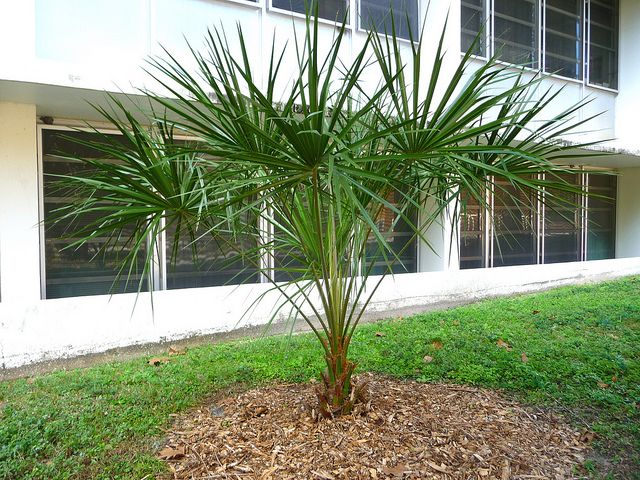
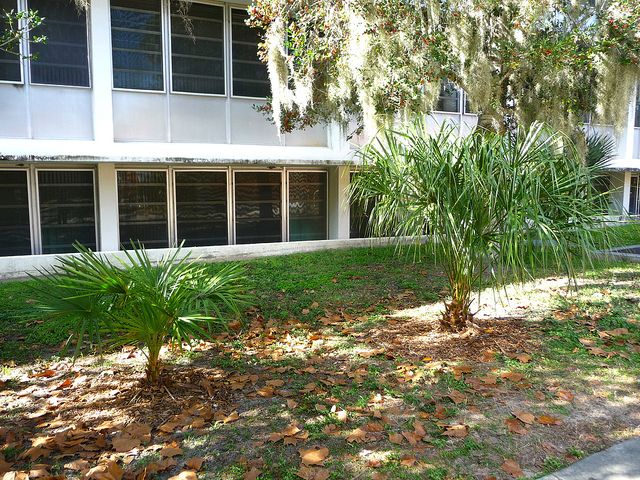
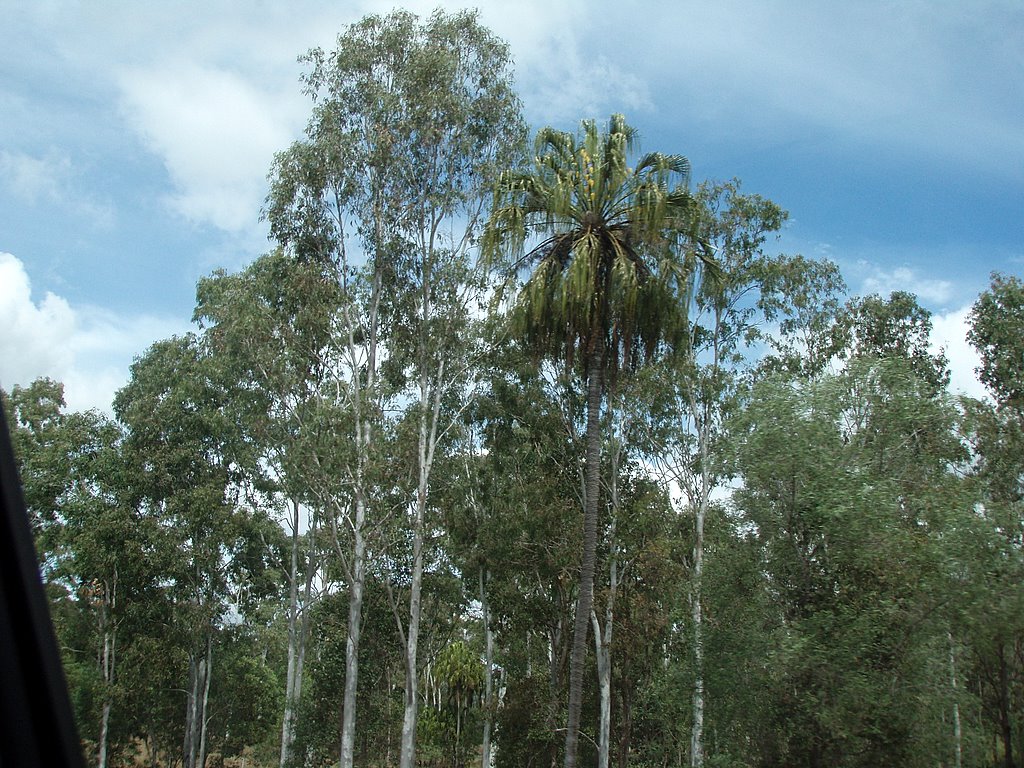
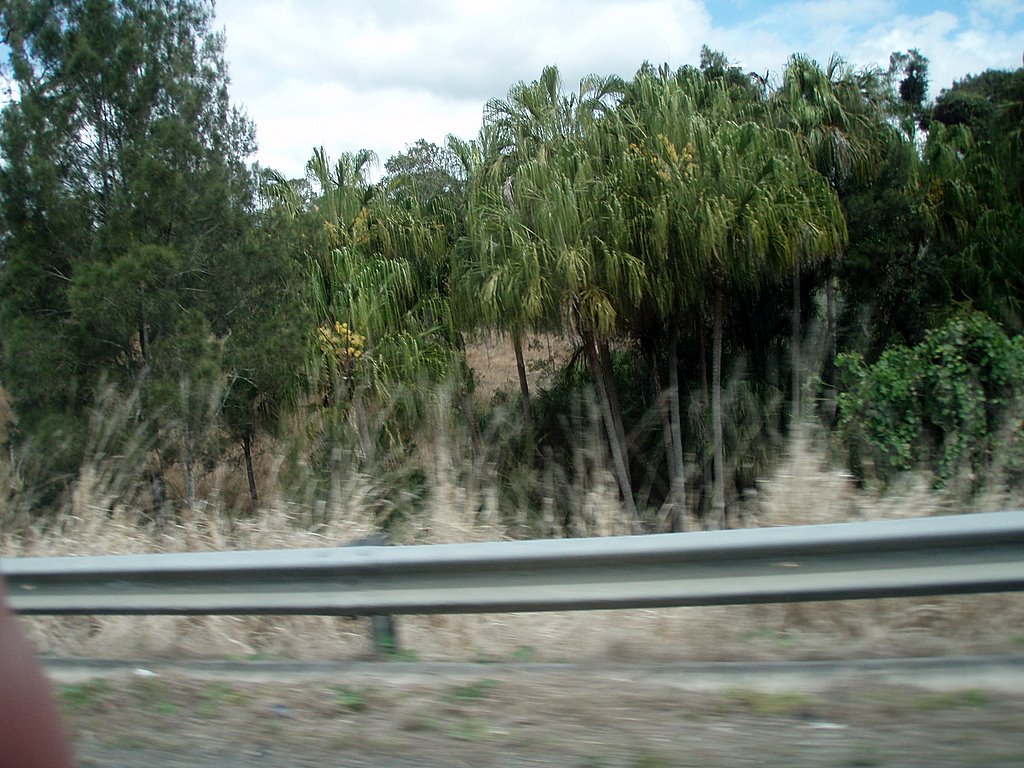
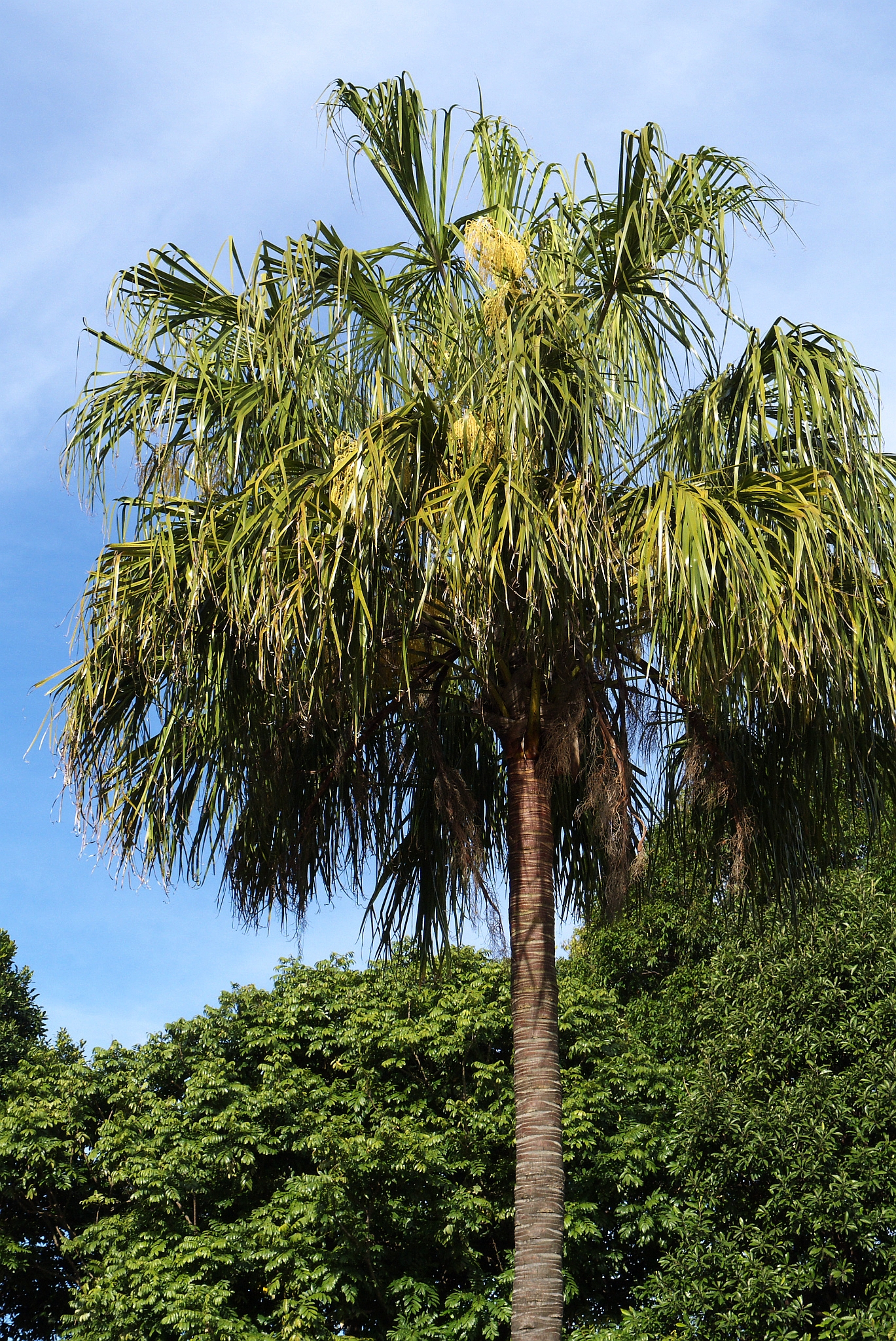
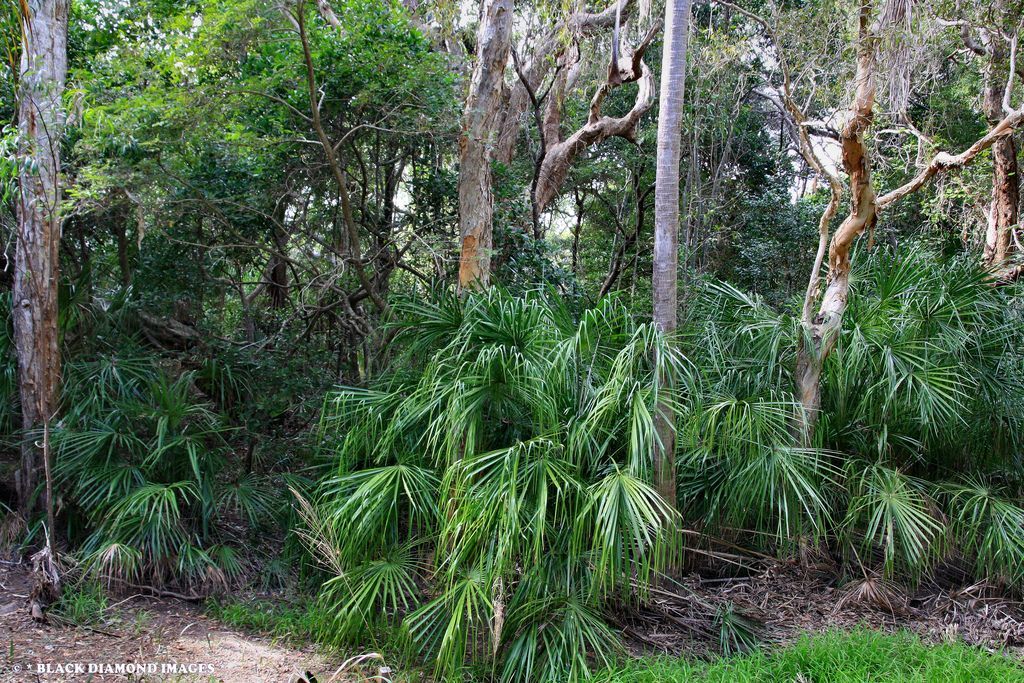
"Leaflets on the fronds are very thin and ribbon-like giving this palm a unique, almost weeping appearance. Old petioles eventually fall exposing attractive rings remaining from the old petiole bases."
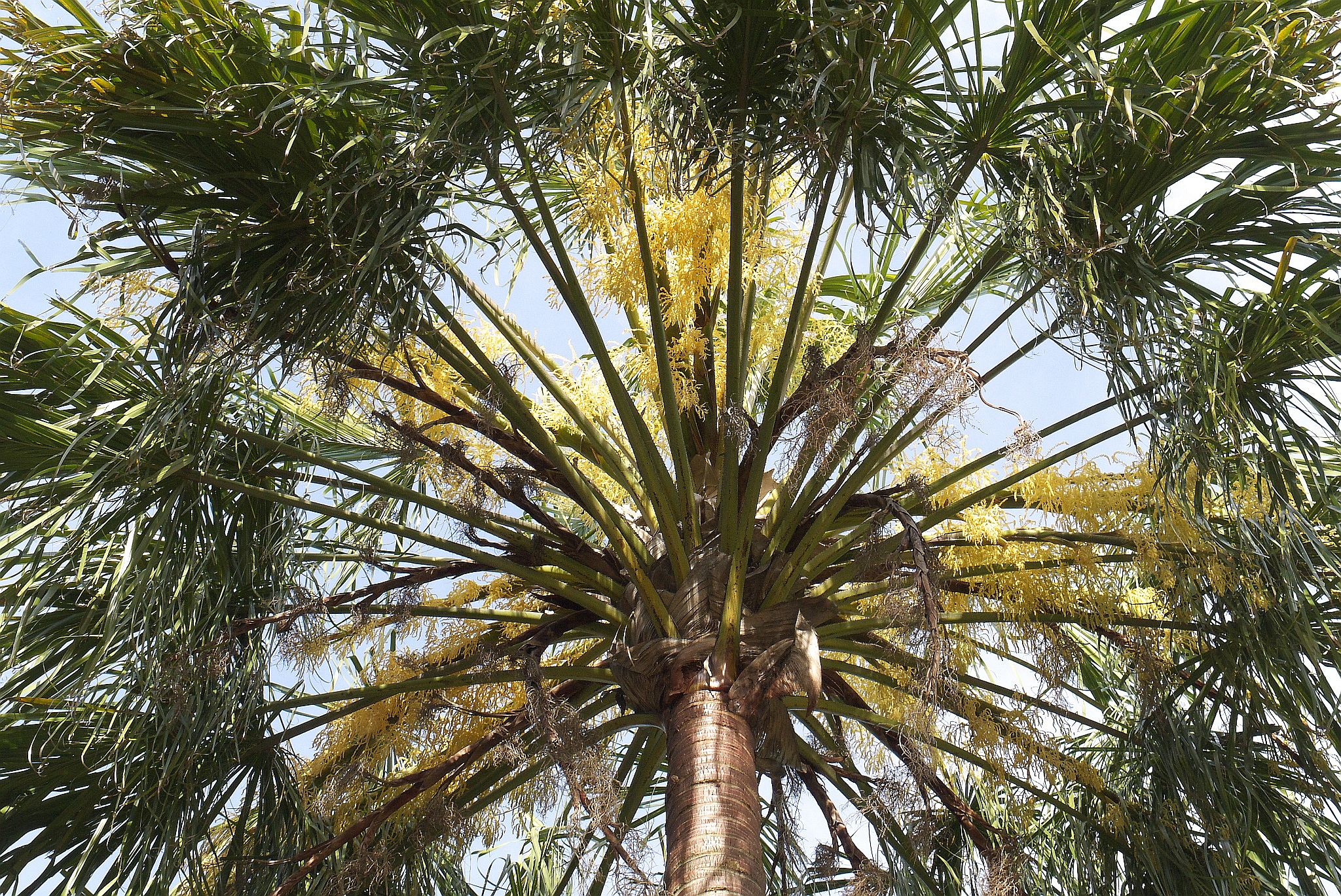
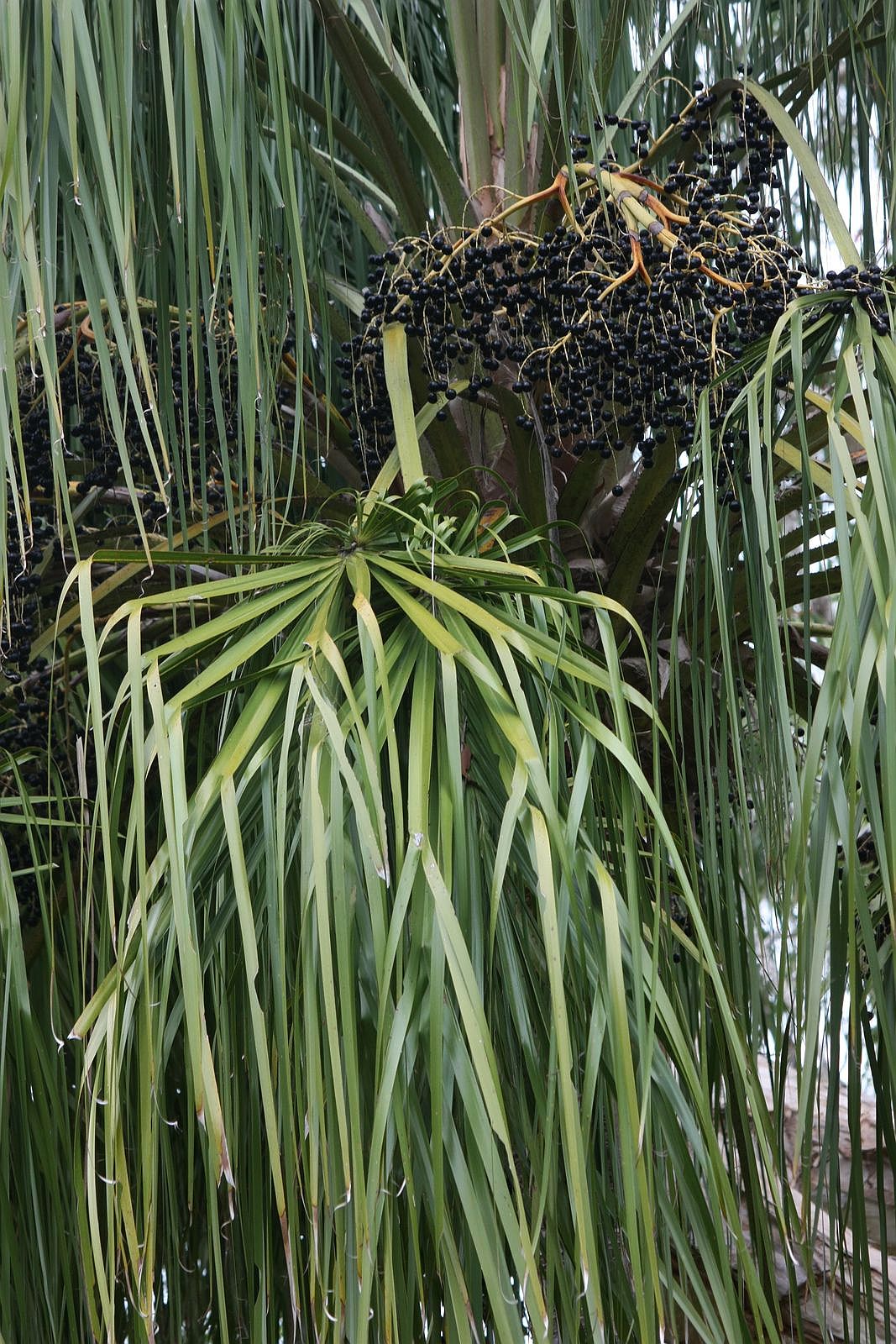
Functionally dioecious palm. Trunk to 18 m tall, 25-30 cm. in diam. breast high, leaf scars narrow, internodes broad to 30 cm. wide, smooth, brown in newly exposed parts, grey with age, with shallow vertical fissures, petiole stubs frequently retained at the base of the trunk. Leaves 30-60 in a ± globose crown; petiole 150-280 cm. long, 18-24 mm. wide, adaxially flat or slightly concave, green throughout, margins with single curved black spines to 20 mm. long in the proximal portion; leaf-base fibres moderately prominent, coarse, disintegrating; lamina costapalmate, regularly segmented, ± circular in outline, 120-185 cm. long, coriaceous, adaxially bright green, abaxially lighter green, segments extended along the costa; lamina divided for 82- 88% of its length, with 70-84 segments, depth of apical cleft 44-54% of the segment length, apical lobes pendulous; parallel veins 6-7 each side of midrib; transverse veins thinner than parallel veins. Inflorescences unbranched at the base, not sexually dimorphic, 100-350 cm. long, not extending beyond the limit of the crown, branched to 4 orders; 8-13 partial inflorescences; longest partial inflorescence to 110 cm., each with a single rachis bract; prophyll 37 cm. long, 11-16 cm. wide, woody; peduncular bract(s) lacking; rachis bracts glabrous to sparsely papillate; primary rachis bract loosely sheathing, apically fibrous-lacerate, bracts subtending partial inflorescence branches basally tubular, becoming winged distally, apex pointed; in the most distal partial inflorescence there are 2 vestigial bracts at the base; peduncle more or less terete, 6 cm. wide at the base, glabrous; rachillae 5-20 mm. long, papillose. Flowers solitary or in clusters of 2-6, funnel-shaped, 1.5-2 mm. long, yellow; sepals ovate-triangular, about 1.3 mm. long, membranous, obtuse; petals broadly ovate, 1.5-1.8 mm. long, fleshy, obtuse; stamens about 1.5 mm. long. Fruit globose, 12-18 mm. in diam., shiny black; epicarp with scattered lenticellular pores; suture line extends about ½ length of fruit; mesocarp 1-3 mm. thick, spongy, moist, fibres aggregated toward the endocarp; endocarp thin, brittle; pedicel to 2 mm. long; Seed globose, about 10 mm. wide; intrusion ½-¾ across endosperm. Eophyll 5-ribbed. (Dowe, J.L.)/Palmweb.
Functionally dioecious palm. Trunk to 18 m tall, 25-30 cm. in diam. breast high, leaf scars narrow, internodes broad to 30 cm. wide, smooth, brown in newly exposed parts, grey with age, with shallow vertical fissures, petiole stubs frequently retained at the base of the trunk. Leaves 30-60 in a ± globose crown; petiole 150-280 cm. long, 18-24 mm. wide, adaxially flat or slightly concave, green throughout, margins with single curved black spines to 20 mm. long in the proximal portion; leaf-base fibres moderately prominent, coarse, disintegrating; lamina costapalmate, regularly segmented, ± circular in outline, 120-185 cm. long, coriaceous, adaxially bright green, abaxially lighter green, segments extended along the costa; lamina divided for 82- 88% of its length, with 70-84 segments, depth of apical cleft 44-54% of the segment length, apical lobes pendulous; parallel veins 6-7 each side of midrib; transverse veins thinner than parallel veins. Inflorescences unbranched at the base, not sexually dimorphic, 100-350 cm. long, not extending beyond the limit of the crown, branched to 4 orders; 8-13 partial inflorescences; longest partial inflorescence to 110 cm., each with a single rachis bract; prophyll 37 cm. long, 11-16 cm. wide, woody; peduncular bract(s) lacking; rachis bracts glabrous to sparsely papillate; primary rachis bract loosely sheathing, apically fibrous-lacerate, bracts subtending partial inflorescence branches basally tubular, becoming winged distally, apex pointed; in the most distal partial inflorescence there are 2 vestigial bracts at the base; peduncle more or less terete, 6 cm. wide at the base, glabrous; rachillae 5-20 mm. long, papillose. Flowers solitary or in clusters of 2-6, funnel-shaped, 1.5-2 mm. long, yellow; sepals ovate-triangular, about 1.3 mm. long, membranous, obtuse; petals broadly ovate, 1.5-1.8 mm. long, fleshy, obtuse; stamens about 1.5 mm. long. Fruit globose, 12-18 mm. in diam., shiny black; epicarp with scattered lenticellular pores; suture line extends about ½ length of fruit; mesocarp 1-3 mm. thick, spongy, moist, fibres aggregated toward the endocarp; endocarp thin, brittle; pedicel to 2 mm. long; Seed globose, about 10 mm. wide; intrusion ½-¾ across endosperm. Eophyll 5-ribbed. (Dowe, J.L.)/Palmweb.
Culture & Care
Full Sun. Soil: Tolerates wide range of soils; prefers good drainage, Prefers moderate water; tolerates moderate drought after establishment, Cold Tolerance: Zones 9a.
This palm prefers freely draining soil. It handles full sun even when young. It's drought tolerant, but will look better and grow faster if adequate water can be provided.
Soil Type: Clay, Loam or Sand. Soil pH: Slightly Acidic to Slightly Alkaline. Seaside Tolerance: Good in Mild Zone. Height: 35 feet, Growth Rate: 24 Inches per Season, Longevity: 50 to 150 years, Leaves: Palmate Medium Green, Evergreen. Flowers: Hasseparate. Fruit: Drupe, Pest & Disease: Resistant to Texas Root Rot. Susceptible to Pigeons. Litter Issue: Dry Fruit. (calpoly.edu)
Ribbon fan palm happily adapts to many types of soil except those that are wet and soggy. Light: Will thrive in part shade to bright sunny exposures. Moisture: Drought tolerant but young palms will need watering until established. Hardiness: USDA Zones 9. I have had one of these palms growing in my Zone 8B garden for the past 8 years. Even though it is still very small it seems to be able to handle temperatures to about 20°F (-6.7°C) with no problem. In January 1999 the temperature fell to 16°F (-8.9°C) (one night, the leaves were not burned but fungus attacked and rotted out the bud. When this happened a few years ago I was able to save the plant with applications of fungicide and pampering.
Propagation: By seed. Plant seeds 1/4 in (0.6 cm) deep and keep moist, they will germinate in 4 to 10 weeks. Attractive and tough, graceful and durable, consider adding this drought tolerant palm to your warm area landscape. Those gardening in colder zones should consider enjoying this palm as a container plant - it's easy to grow indoors if you have a bright area for it to share. You can obtain palms in Florida and other warm areas from nurseries specializing in palms. There are also several mail order nurseries that will ship young specimens to you. (Jack Scheper)
This palm prefers freely draining soil. It handles full sun even when young. It's drought tolerant, but will look better and grow faster if adequate water can be provided.
Soil Type: Clay, Loam or Sand. Soil pH: Slightly Acidic to Slightly Alkaline. Seaside Tolerance: Good in Mild Zone. Height: 35 feet, Growth Rate: 24 Inches per Season, Longevity: 50 to 150 years, Leaves: Palmate Medium Green, Evergreen. Flowers: Hasseparate. Fruit: Drupe, Pest & Disease: Resistant to Texas Root Rot. Susceptible to Pigeons. Litter Issue: Dry Fruit. (calpoly.edu)
Ribbon fan palm happily adapts to many types of soil except those that are wet and soggy. Light: Will thrive in part shade to bright sunny exposures. Moisture: Drought tolerant but young palms will need watering until established. Hardiness: USDA Zones 9. I have had one of these palms growing in my Zone 8B garden for the past 8 years. Even though it is still very small it seems to be able to handle temperatures to about 20°F (-6.7°C) with no problem. In January 1999 the temperature fell to 16°F (-8.9°C) (one night, the leaves were not burned but fungus attacked and rotted out the bud. When this happened a few years ago I was able to save the plant with applications of fungicide and pampering.
Propagation: By seed. Plant seeds 1/4 in (0.6 cm) deep and keep moist, they will germinate in 4 to 10 weeks. Attractive and tough, graceful and durable, consider adding this drought tolerant palm to your warm area landscape. Those gardening in colder zones should consider enjoying this palm as a container plant - it's easy to grow indoors if you have a bright area for it to share. You can obtain palms in Florida and other warm areas from nurseries specializing in palms. There are also several mail order nurseries that will ship young specimens to you. (Jack Scheper)
/