Livistona australis
ARECACEAE
•
New South Wales
Available Inventory
Ready for pickup at Sunfish Gardens
7gal
$35
15gal
$75
Description
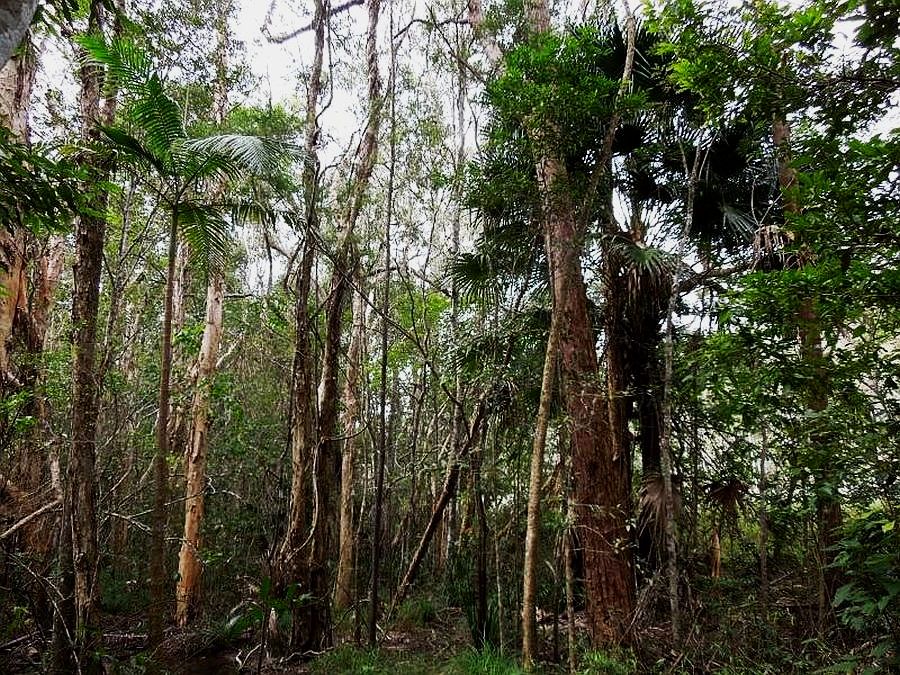
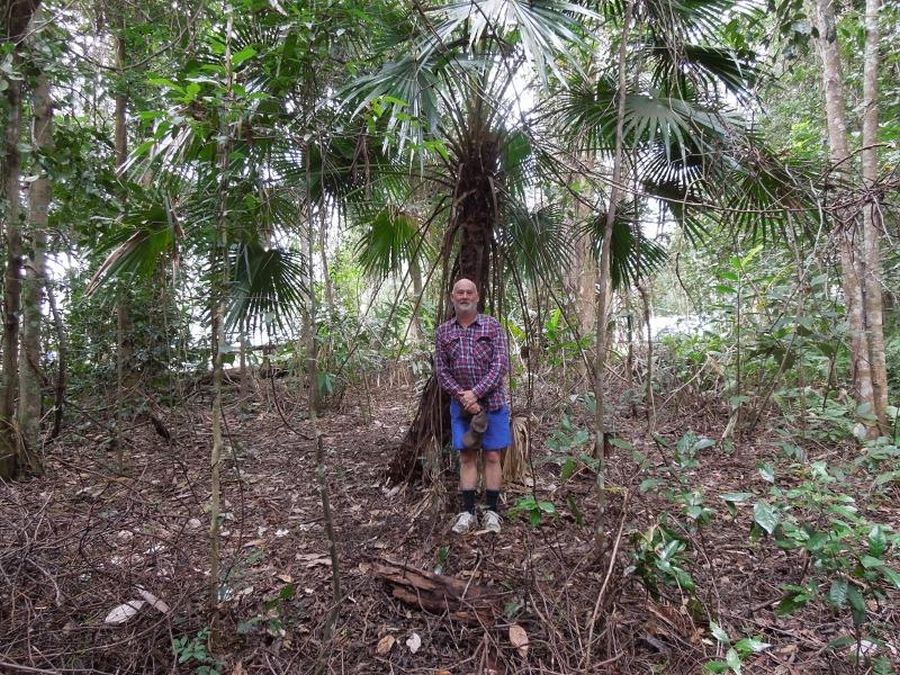
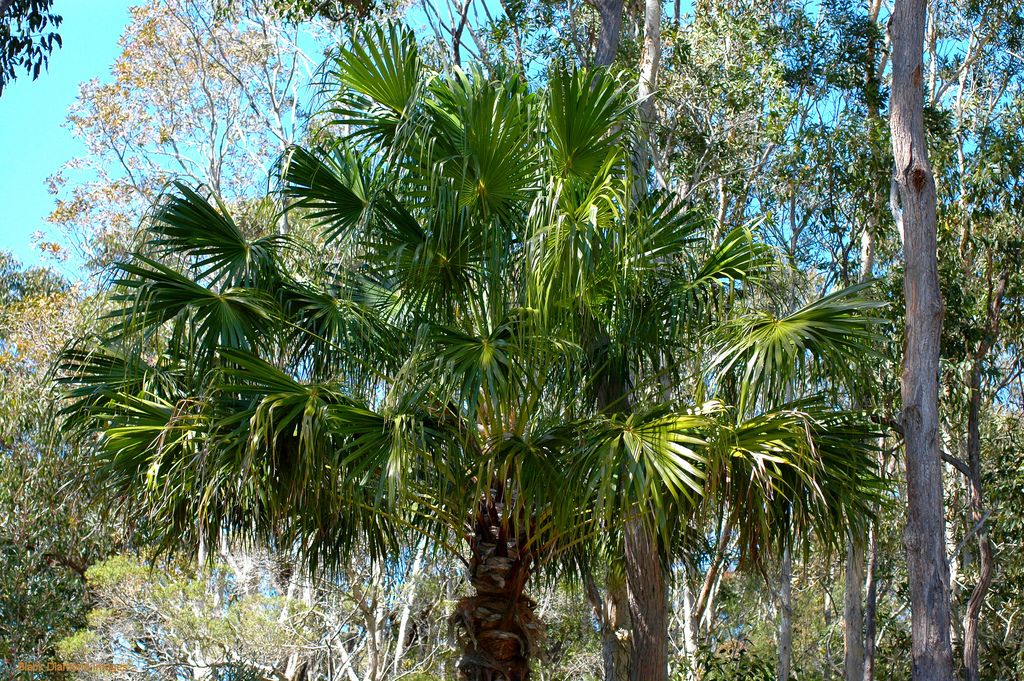
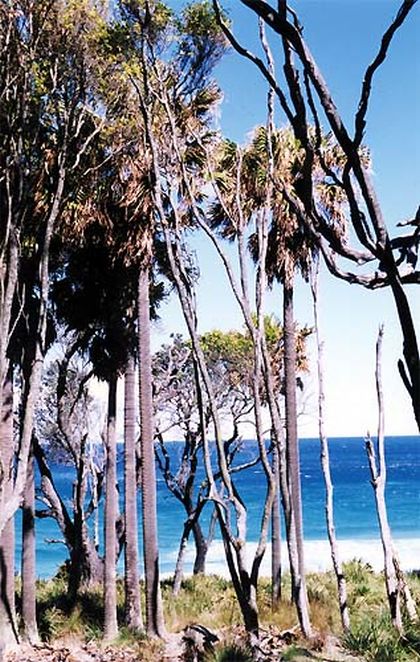
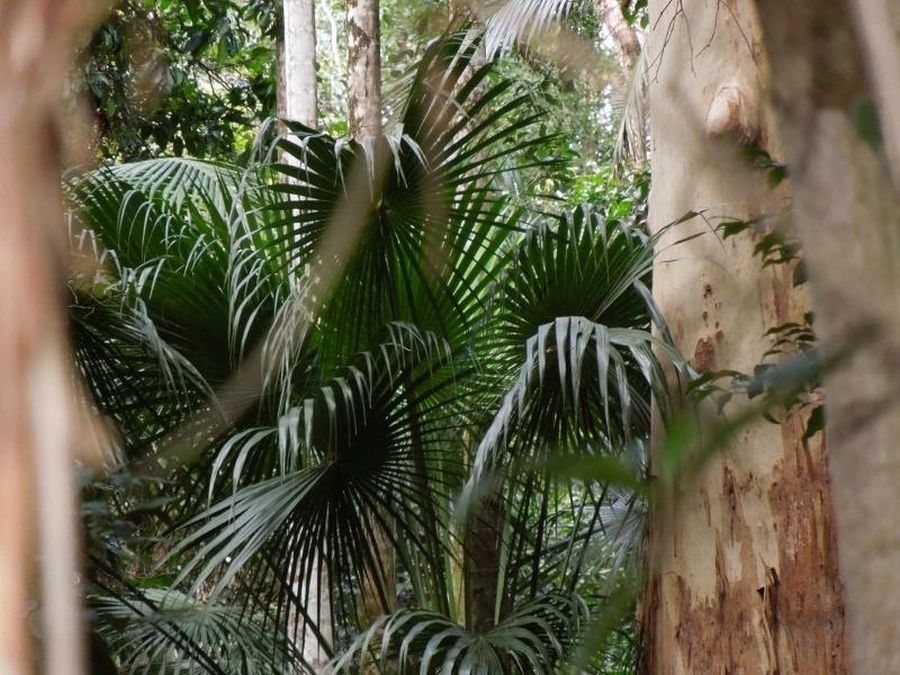
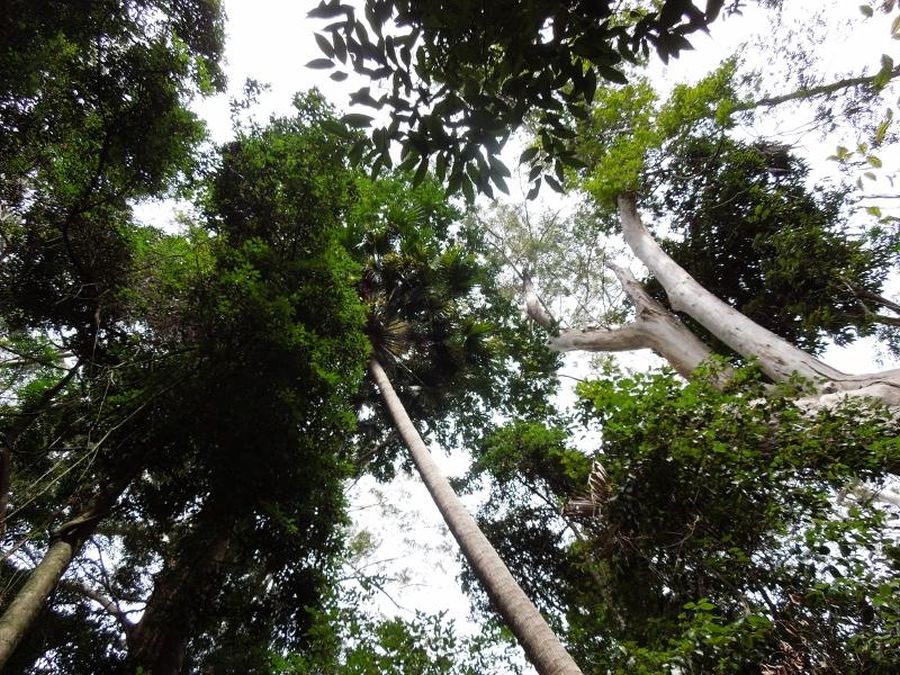
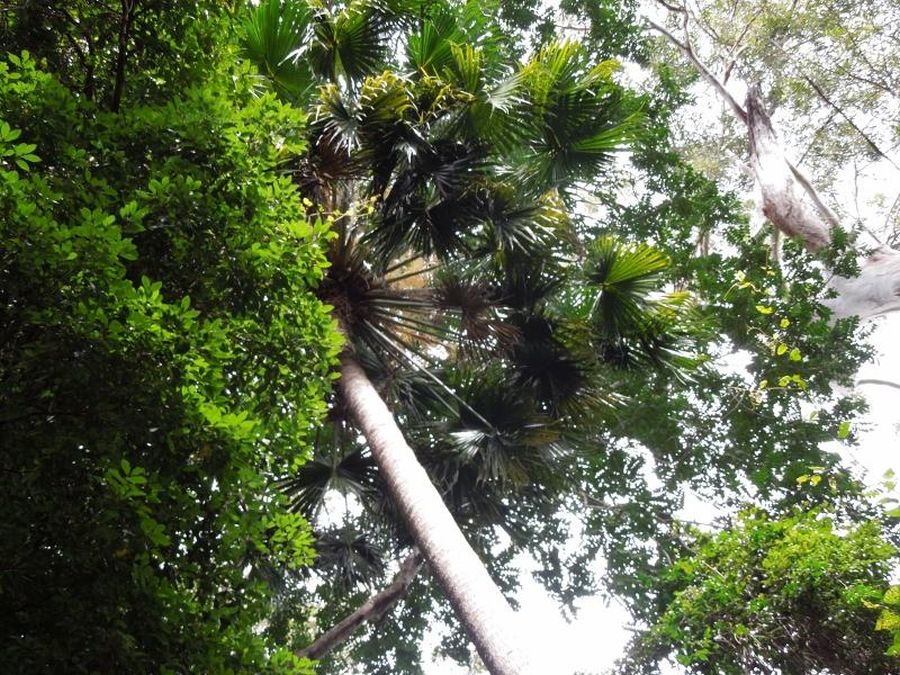
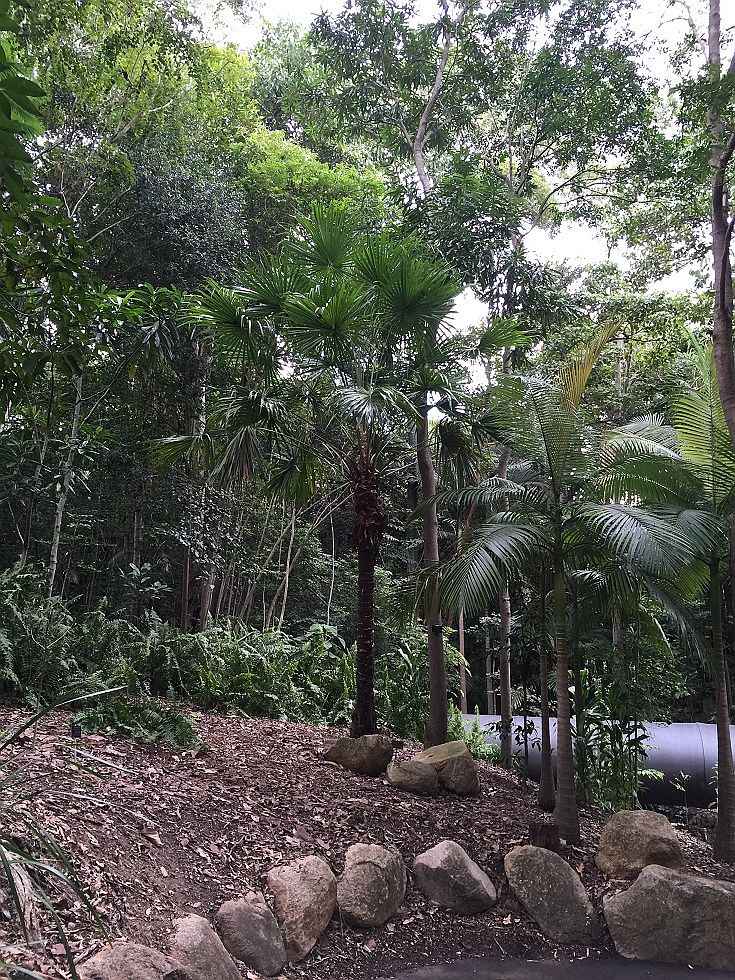
Functionally dioecious palm. Trunk to 25 m tall, 25-40 cm in diam. breast high, leaf scars raised, internodes broad, brown, longitudinal fissures prominent, petiole stubs retained in the lower 2 m or so, otherwise leaf bases deciduous. Leaves 35-60 in a globose crown; petiole 150-250 cm long, 10-20 mm wide, adaxially moderately ridged, margins smooth or with short single black curved spines congested in the proximal portion, a thin yellowish-green longitudinal stripe present on the abaxial surface; leaf-base fibres prominent, finely woven, sheet-like, persistent; lamina costapalmate, regularly segmented, ± circular, 100-130 cm long, chartaceous, adaxially dark green, glossy, abaxially slightly lighter green, nonwaxy; lamina divided for 49-69% of its length, with 80-100 segments, depth of apical cleft 50-63% of the segment length, apical lobes acute, pendulous; parallel veins 8 each side of midrib; transverse veins thinner than parallel veins. Inflorescences unbranched at the base, not sexually dimorphic, 140-250 cm long, not extending beyond the limit of the crown, branched to 5 orders; partial inflorescences 6-9; peduncular bract(s) lacking; rachis bracts loosely sheathing, densely floccose; rachillae 5-25 mm long, glabrous. Flowers solitary or in clusters of 2-4, funnel-shaped, white to cream to pale yellow; sepals triangular, 1.2-2 mm long, fleshy, acute; petals triangular to ovate, 2-3.5 mm long, fleshy, subacute to obtuse; stamens about 2.5 mm long. Fruit globose, 12- 22 mm in diam., dull reddish-brown to black, occasionally glaucous; epicarp with scattered lenticellular pores; suture line extends almost the length of the fruit; pedicel 2-3 mm long. Seed globose, 10-16 mm wide. Eophyll 5-ribbed. (Dowe, J.L.)/Palmweb.
Culture & Care
Suitable for: light sandy, medium loamy and heavy clay soils. Suitable pH: acid, neutral and basic alkaline soils. It can grow in semi-shade, light woodland or no shade. It prefers dry or moist soil.
Requires a sheltered position in a fertile moist but well-drained soil that is preferably neutral to acid. Although plants prefer a deep moist soil, they can also succeed in dry climates. Succeeds in full sun or partial shade. Plants naturally grow in forest habitats and, especially when young, require some shade from the sun for at least part of the day. This species is not very hardy in Britain where it usually requires greenhouse protection. Plants are hardy to at least -7°c in Australian gardens, though this cannot be translated directly to British gardens because of our cooler summers and longer colder and wetter winters. Plants have been known to tolerate temperatures down to at least 0°c for short periods, they are also very amenable to pot cultivation and can be grown successfully in containers for many years. Palms usually have deep penetrating root systems and generally establish best when planted out at a young stage. However, older plants are substantially more cold tolerant than juvenile plants. In areas at the limit of their cold tolerance, therefore, it is prudent to grow the plants in containers for some years, giving them winter protection, and only planting them into their permanent positions when sheer size dictates. Palms can also be transplanted even when very large. Although the thick fleshy roots are easily damaged and/or desiccated, new roots are generally freely produced. It is important to stake the plant very firmly to prevent rock, and also to give it plenty of water until re-established - removing many of the leaves can also help. Plants are slow-growing.
Propagation: Seed - sow in early spring in a warm greenhouse, using deep containers in order to avoid root constriction and plating two seeds in each container. The seed of this species has a longer viability than that of most palms. If necessary, thin the seedlings to the best plant and grow them on in the greenhouse for at least two years. If trying them outdoors, plant them out in the summer and give them some protection from the cold for their first few winters.
Requires a sheltered position in a fertile moist but well-drained soil that is preferably neutral to acid. Although plants prefer a deep moist soil, they can also succeed in dry climates. Succeeds in full sun or partial shade. Plants naturally grow in forest habitats and, especially when young, require some shade from the sun for at least part of the day. This species is not very hardy in Britain where it usually requires greenhouse protection. Plants are hardy to at least -7°c in Australian gardens, though this cannot be translated directly to British gardens because of our cooler summers and longer colder and wetter winters. Plants have been known to tolerate temperatures down to at least 0°c for short periods, they are also very amenable to pot cultivation and can be grown successfully in containers for many years. Palms usually have deep penetrating root systems and generally establish best when planted out at a young stage. However, older plants are substantially more cold tolerant than juvenile plants. In areas at the limit of their cold tolerance, therefore, it is prudent to grow the plants in containers for some years, giving them winter protection, and only planting them into their permanent positions when sheer size dictates. Palms can also be transplanted even when very large. Although the thick fleshy roots are easily damaged and/or desiccated, new roots are generally freely produced. It is important to stake the plant very firmly to prevent rock, and also to give it plenty of water until re-established - removing many of the leaves can also help. Plants are slow-growing.
Propagation: Seed - sow in early spring in a warm greenhouse, using deep containers in order to avoid root constriction and plating two seeds in each container. The seed of this species has a longer viability than that of most palms. If necessary, thin the seedlings to the best plant and grow them on in the greenhouse for at least two years. If trying them outdoors, plant them out in the summer and give them some protection from the cold for their first few winters.
/