Beccariophoenix alfredii
ARECACEAE
•
Madagascar
Available Inventory
Ready for pickup at Sunfish Gardens
15gal
$50
Field Grown
$250
Description
a B. madagascariensi inflorescentiae infrafoliaribus, pedunculo simper brevissimo, bractea pedunculare coriacea, staminibus 15 vice 18-21 et fructu oblato bene distincta. ( Rakotoarinivo, M., Ranarivelo, T. & Dransfield, J. 2007: A new species of Beccariophenix from the High Plateau of Madagascar. – Palms 51(2) 63-75 ) A
Culture & Care
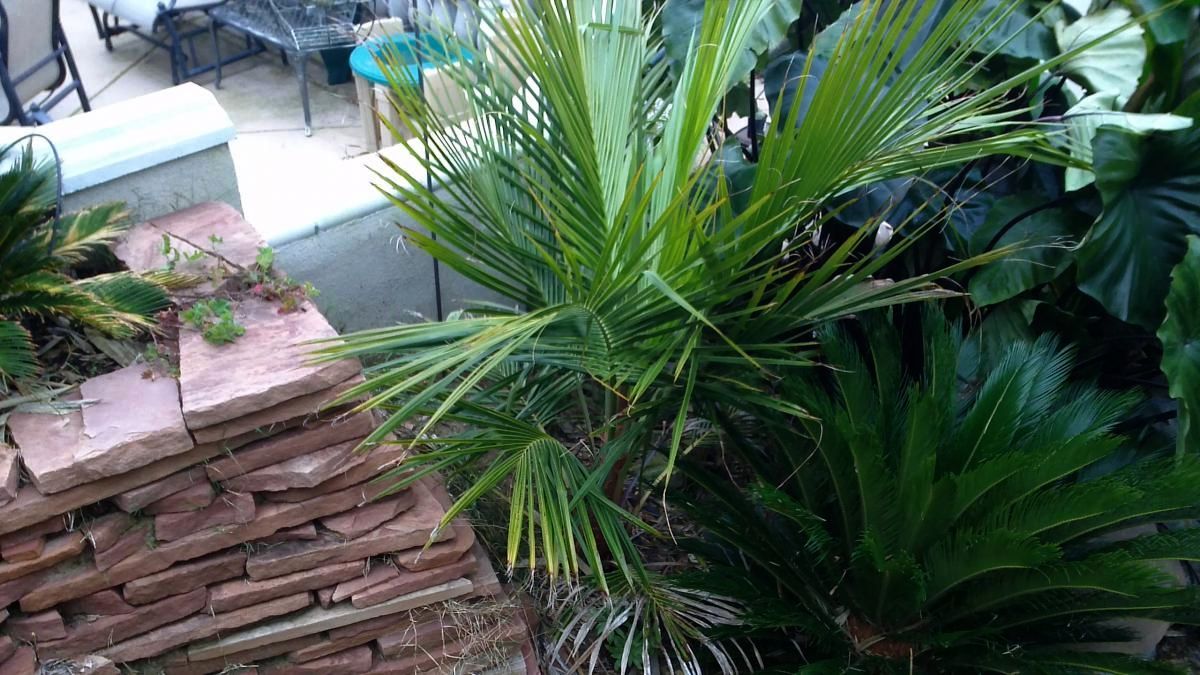
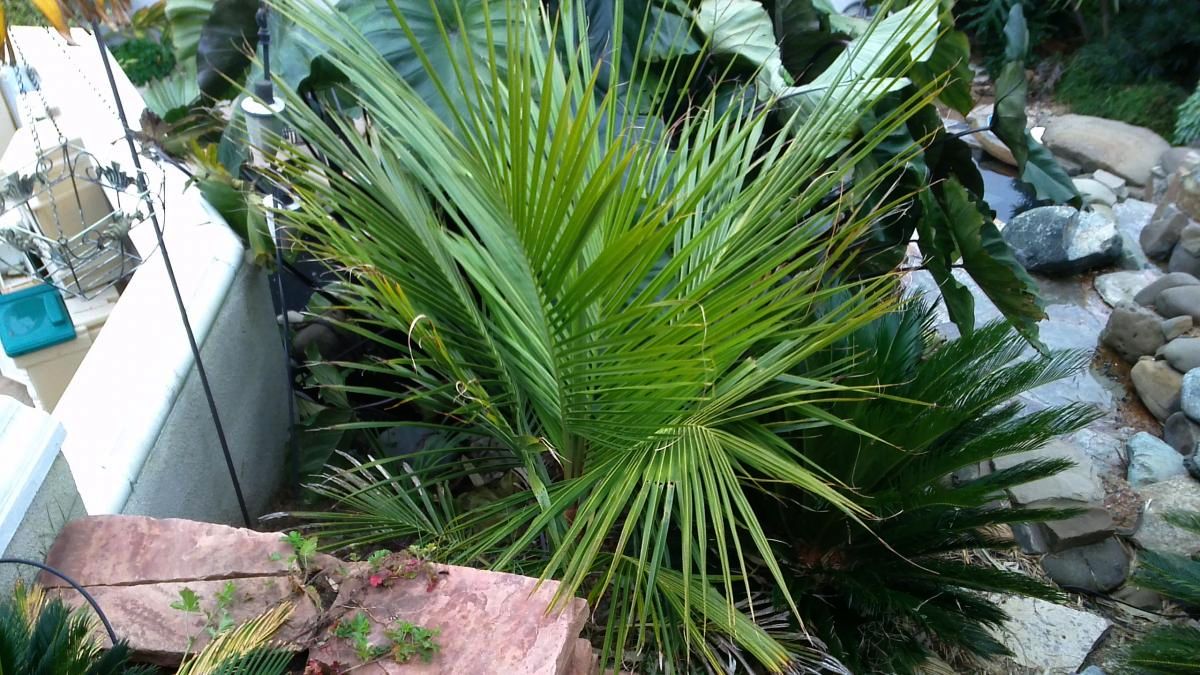
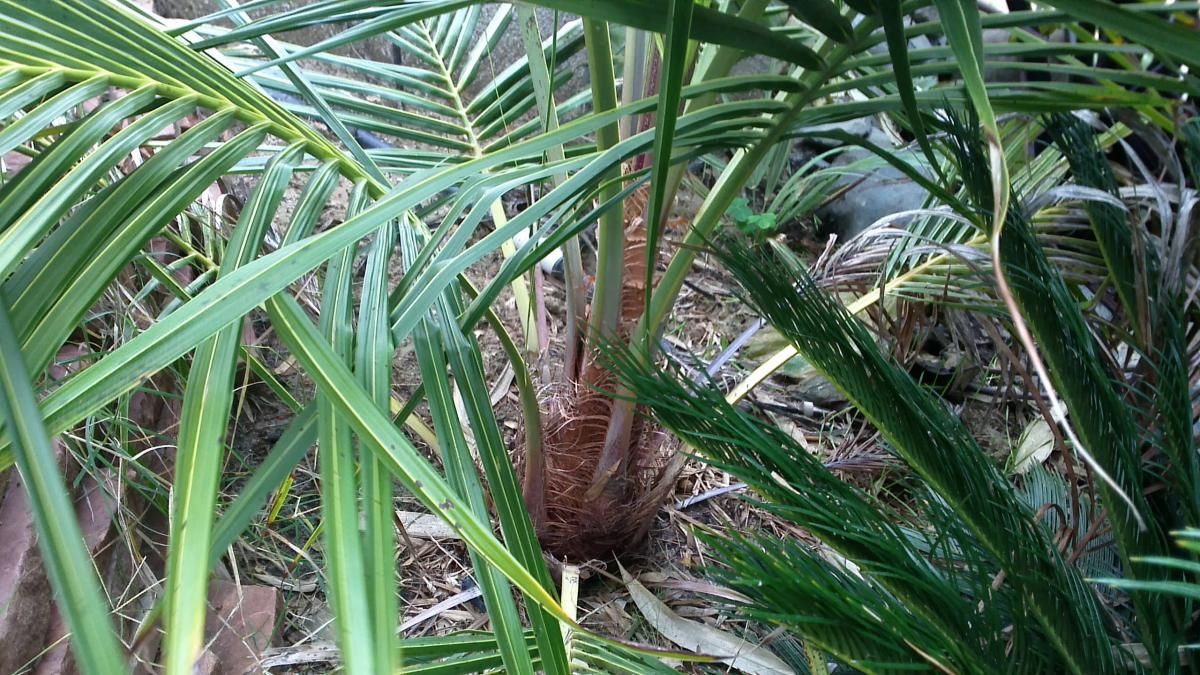
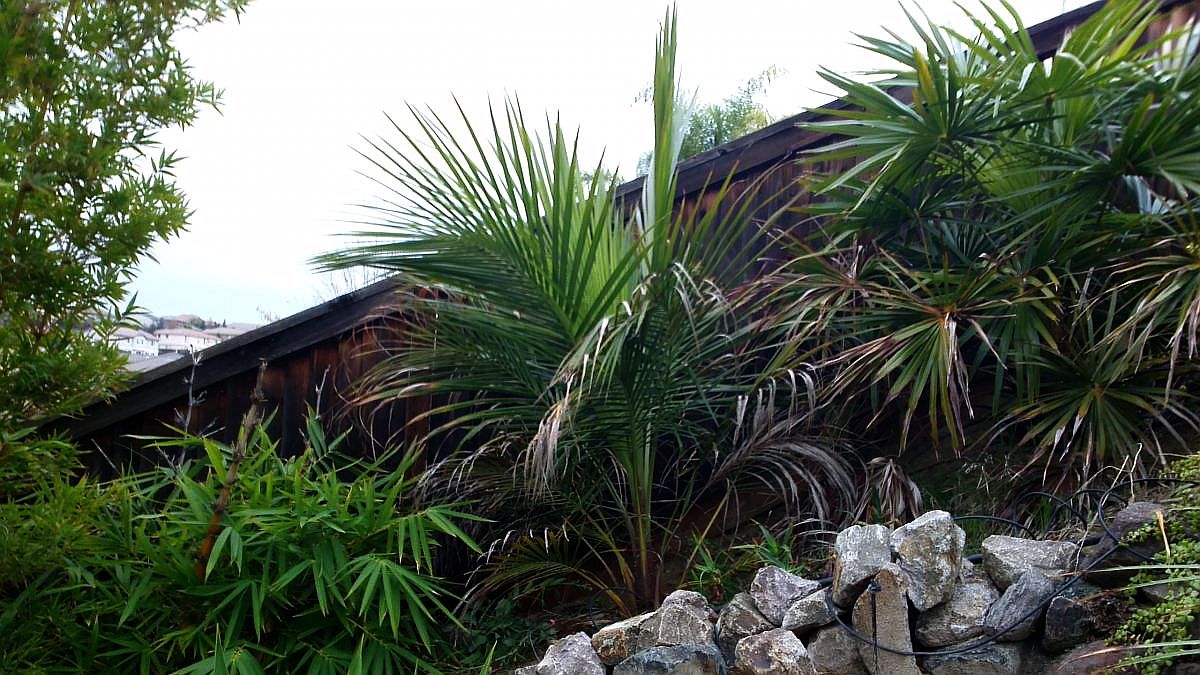
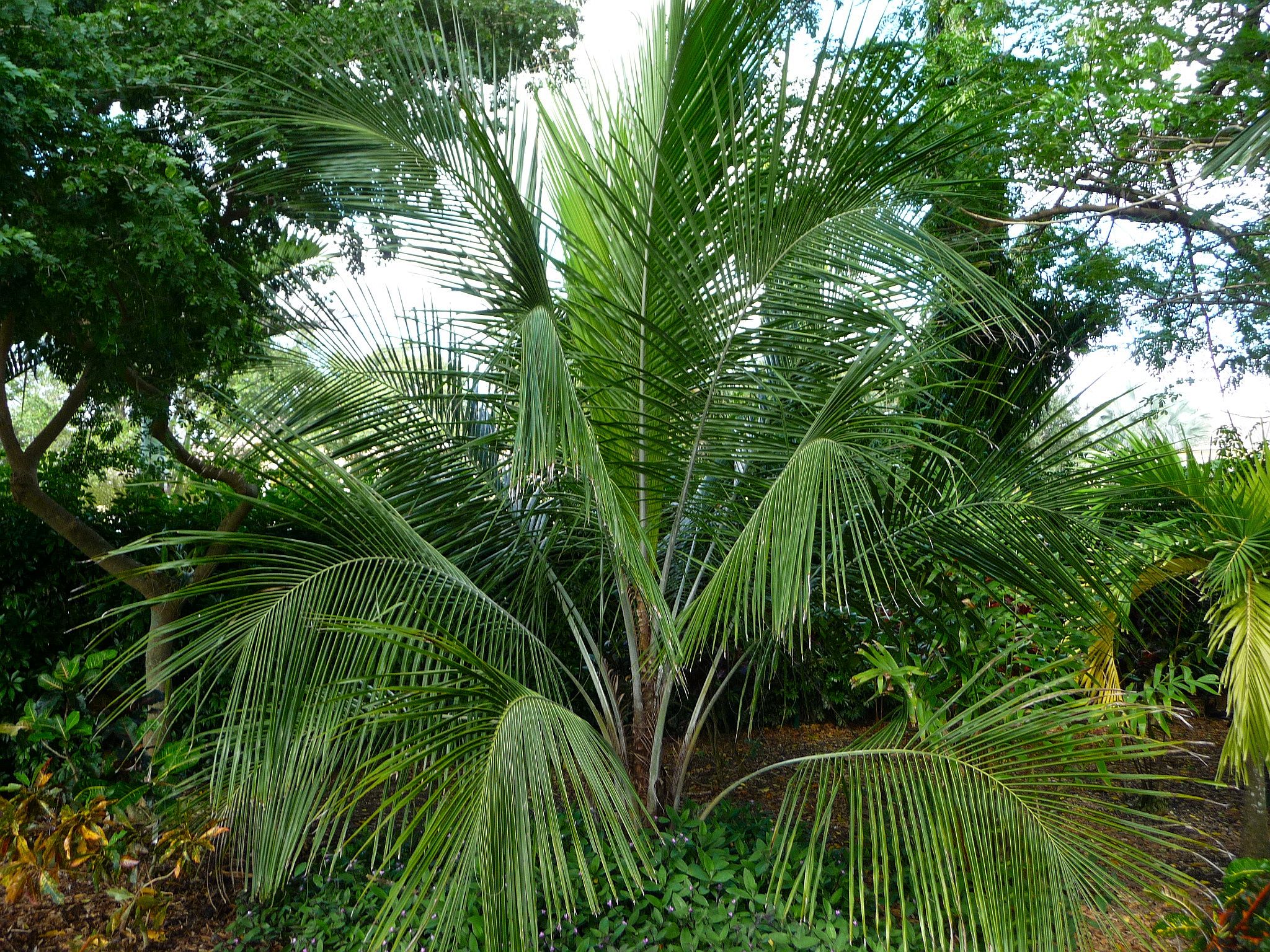
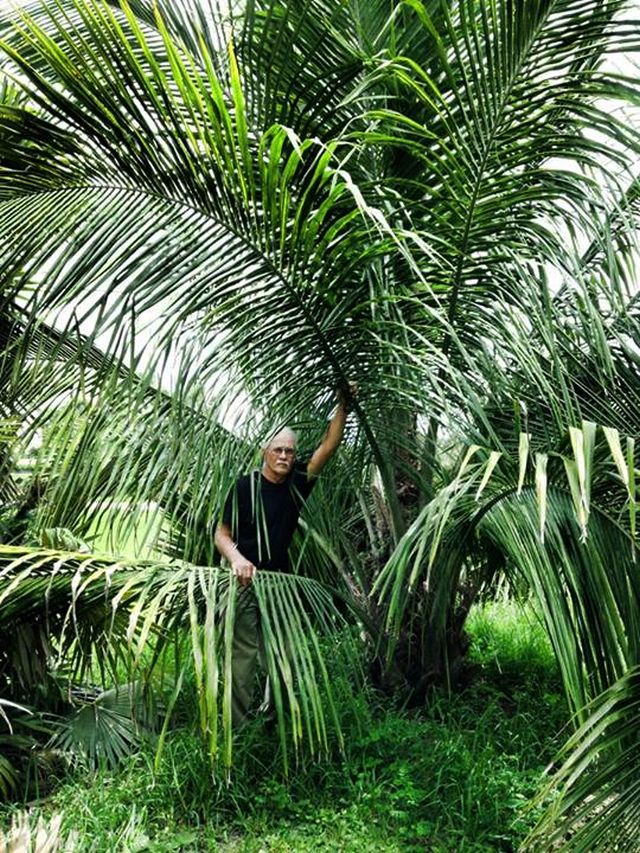
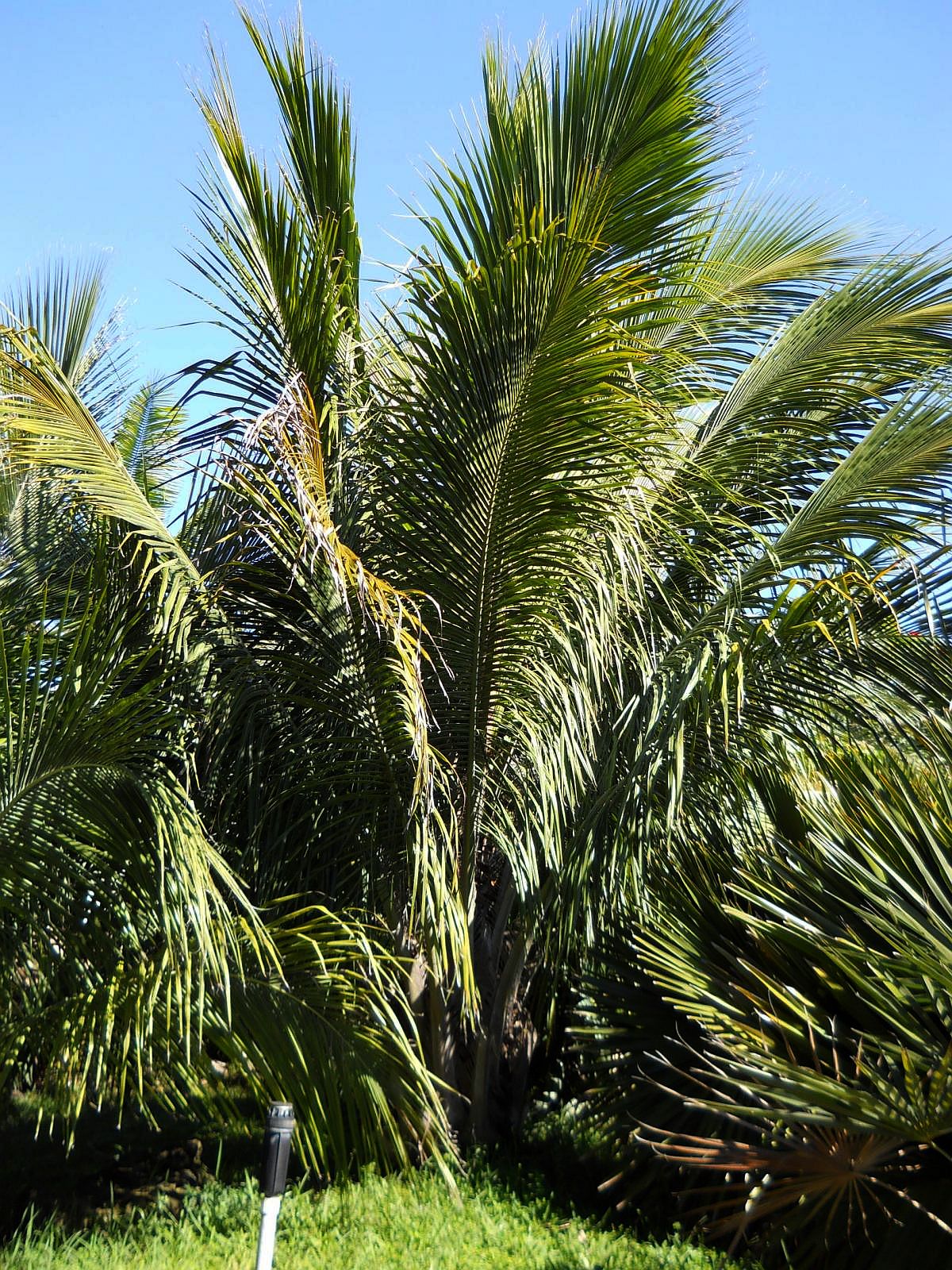
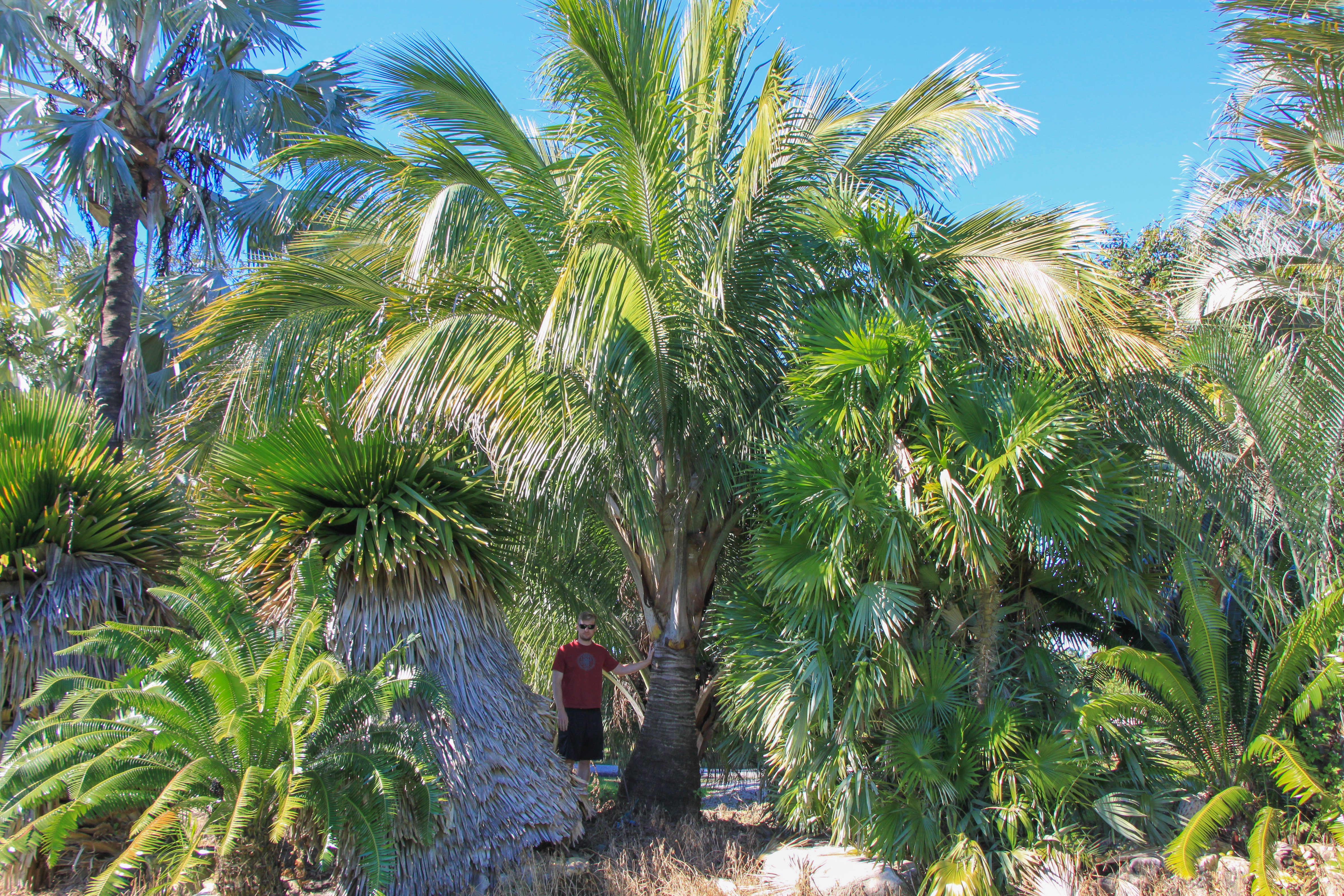
Due to its overall hardiness, B. alfredii is a good candidate for cultivation in central and southern Florida, California and also locations such as Sydney Australia, Southern Spain, Portugal and Northern New Zealand. It is best grown in sandy loam soils, but is suitable to many other soil types. Besides B. alfredii, there are 2 other species of Beccariophoenix: B. madagascariensis, and Beccariophoenix sp. Windows. Beccariophoenix sp. Windows was known for its moderate growth speed, high nutrient requirements and cold sensitivity. Beccariophoenix madagascariensis was known for its cold hardiness and lack of nutritional problems, but had about one-fourth the growth rate of Beccariophoenix sp. Windows. Both species look remarkably similar to the coconut palm when mature, but with a much broader trunk. Beccariophoenix alfredii seems to combine the good characteristics of both, with the growth rate of Beccariophoenix sp. Windows and the cold hardiness and lack of nutritional problems of B. madagascariensis, but B. alfredii has a slimmer trunk, more like that of the coconut palm. All species appear resistant to lethal yellowing, so may be suitable for areas that have a high instance of the disease. Although relatively new to cultivation, B. alfredii is already becoming popular to palm collectors, and is being called the California Coconut of the future. It can be expected that after it is less new to cultivation, it may become extremely popular worldwide due to its coconut look-alike status, good growth rate, and cold hardiness. Although the trunk normally grows straight, it may develop a curve similar to that of the coconut palm if planted on its side when a few years old.
/