Allagoptera arenaria
ARECACEAE
•
Brazil Northeast
Available Inventory
Ready for pickup at Sunfish Gardens
3gal
35
7gal
75
15gal
$150
Description
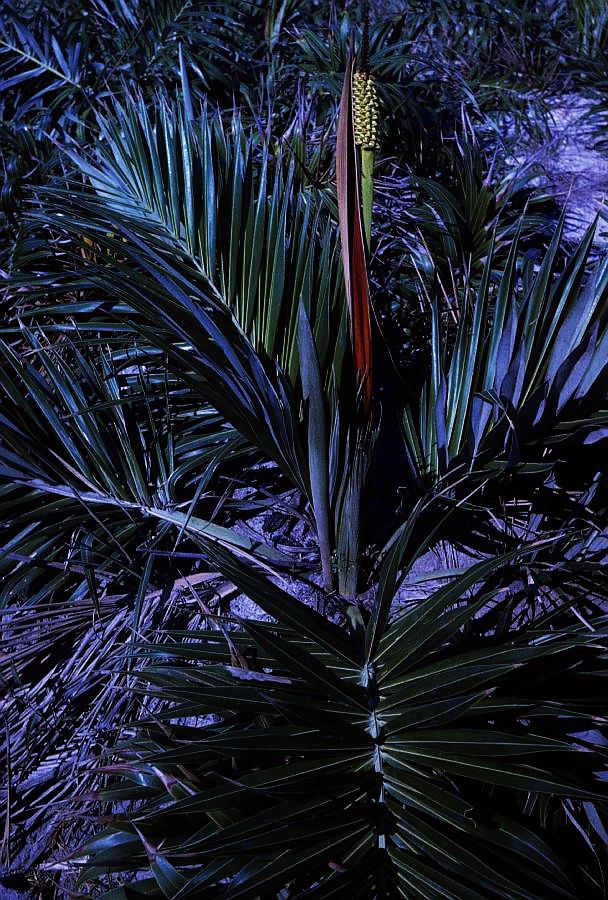
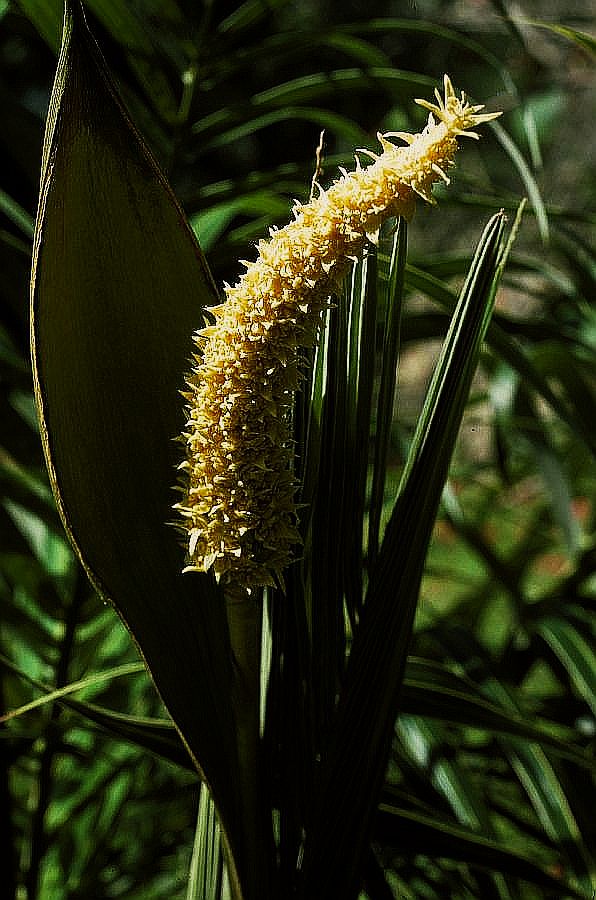
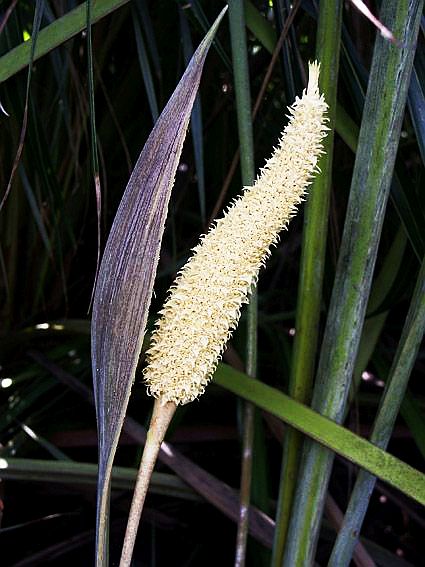
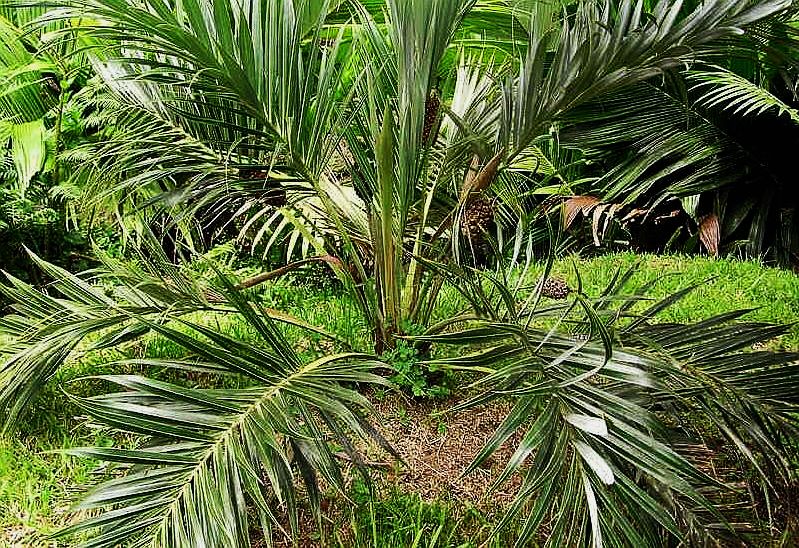
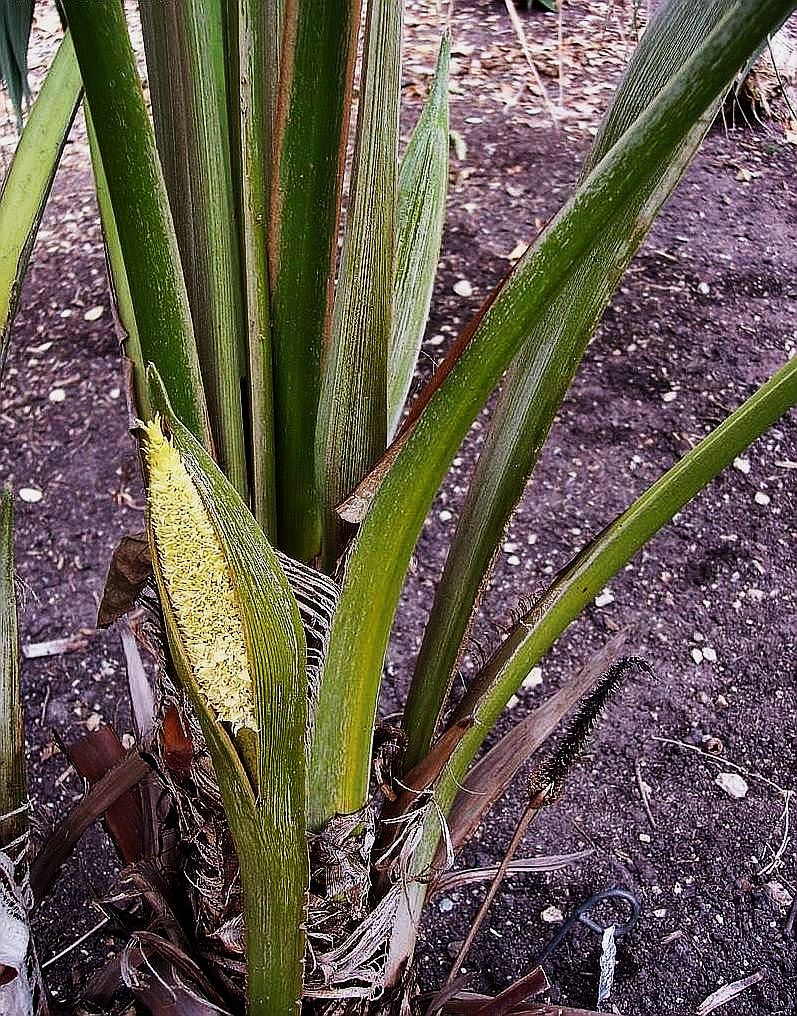
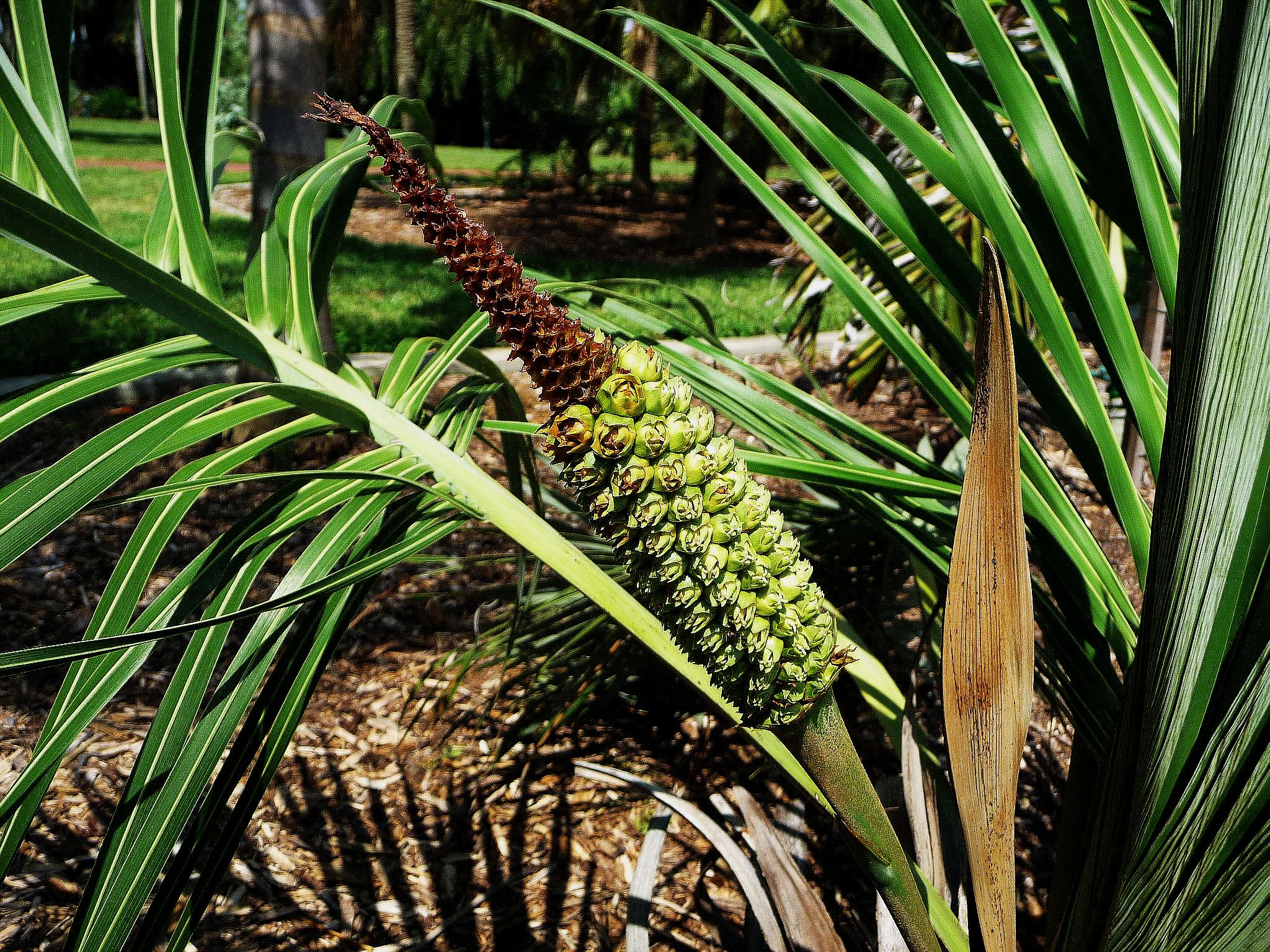
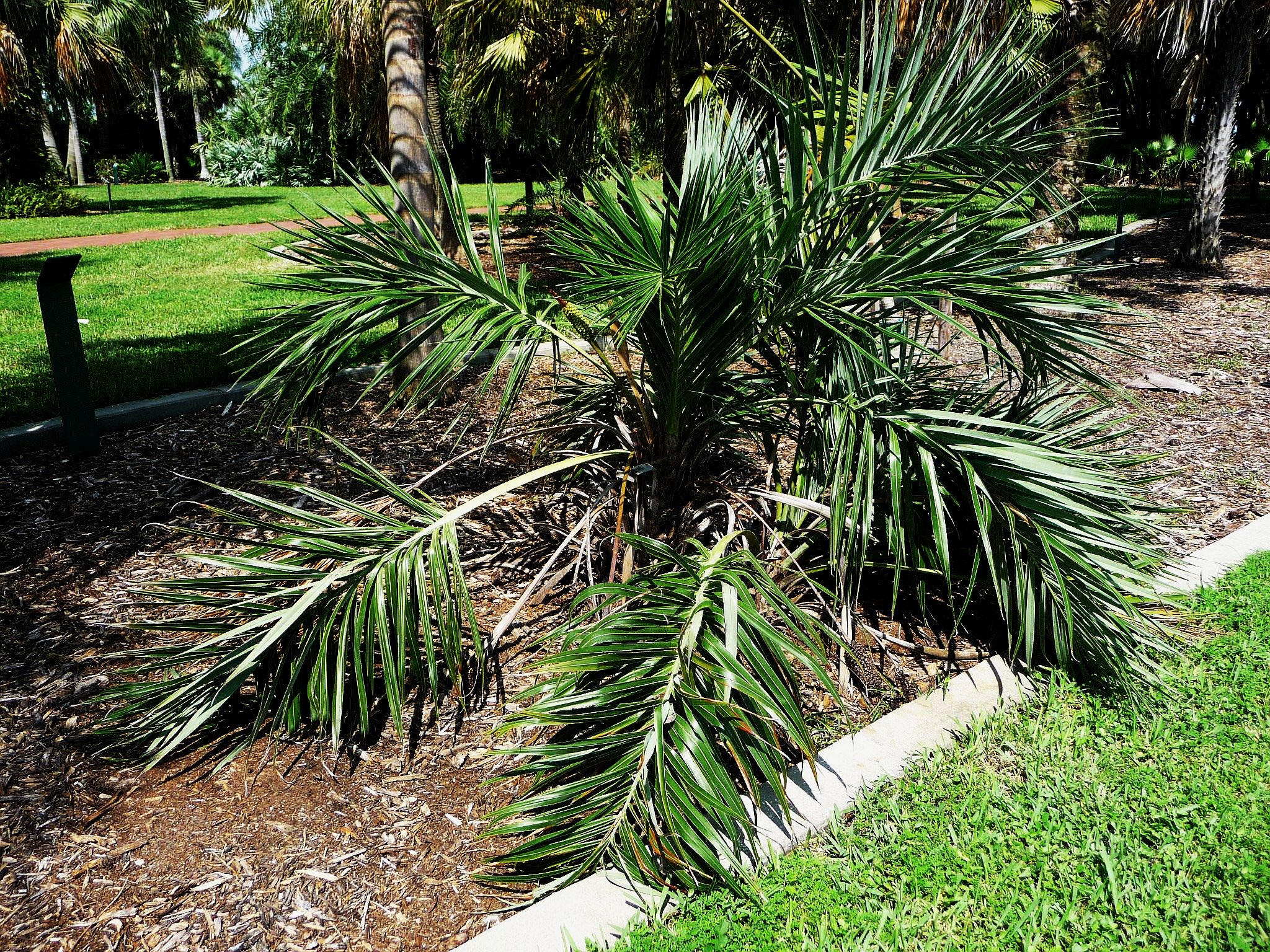
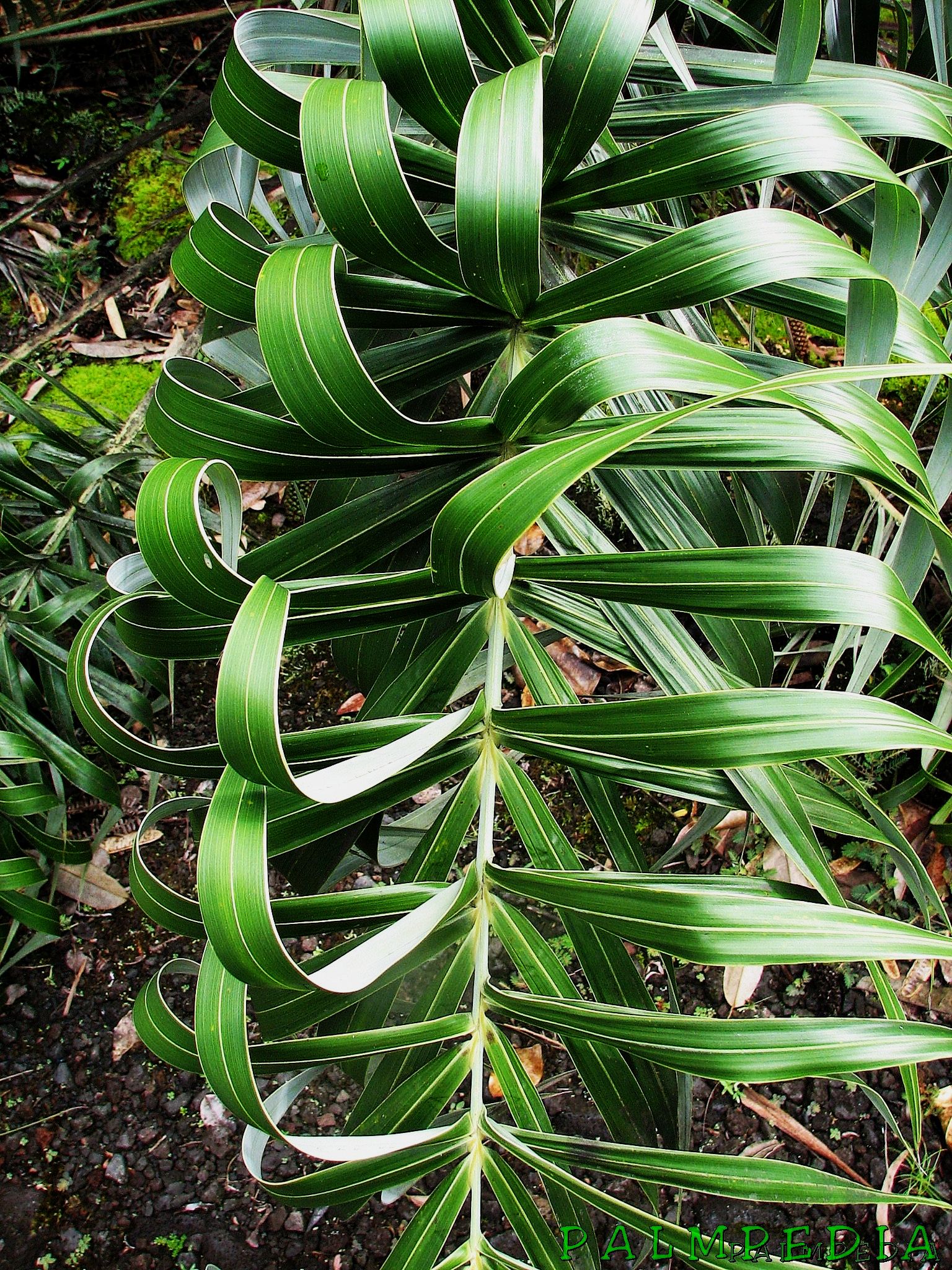
Plumose-leaved, monoecious stemless to short-stemmed (acaulescent to 3 ft.), solitary, but a branching subterranean trunk, this palm is rhizomatous, giving it the appearance of a clustering palm, un-armed, leaflets are deep green with a prominent mid-rib and curl to various degrees depending on plant, age and climate. Flowers look sort of like corn-cobs on a long stick (peduncle). Very old plants can grow 9'/3 m to 15'/4.5 m wide (rare in cultivation).
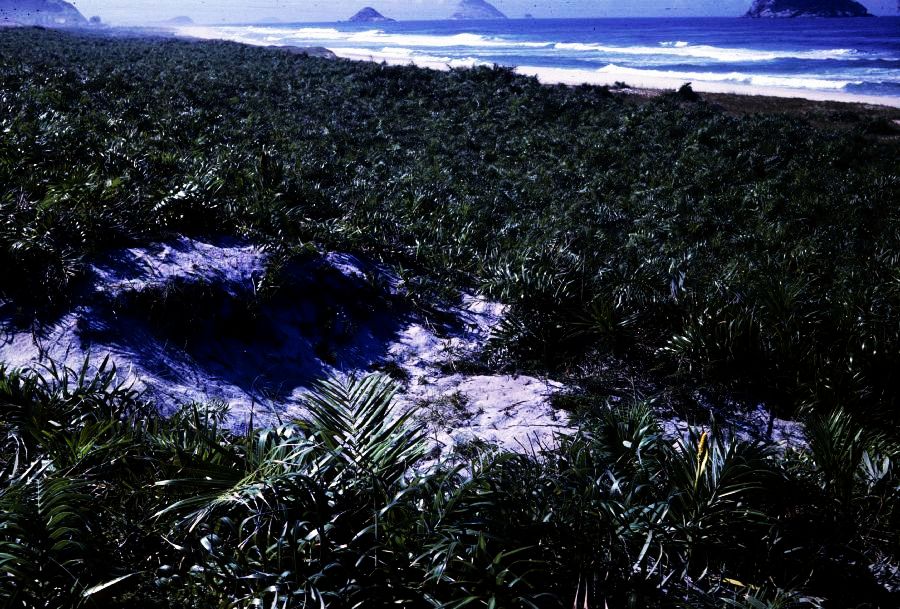
Allagoptera arenaria is popularly known as seashore palm, is a fruit tree endemic to the Atlantic Coast of Brazil. It grows in coastal strand, just above the high tide mark, and is widely cultivated as an ornamental throughout South America. The seashore palm is small in size, reaching about 6 feet (1.8 m) tall. The spiky flower stalks have both male and female flowers, so one plant can produce seeds by itself. The female flowers and the fruits that follow are borne in distinct spirals. The leaves of the seashore palm emerge right out of the ground from a subterranean trunk that is rarely visible, and grow in a swirling pattern, spreading out on different and seemingly random planes. There are 6–15 bright green to silvery green pinnately compound (feather-like) leaves 2–6 ft (0.61–1.8 m) long, with each leaflet about 2 ft (0.61 m) long. Its fruits are yellowish green and shaped like small coconuts, about 1 inch (25 mm) long and 0.5 in (13 mm) in diameter.
Allagoptera arenaria is popularly known as seashore palm, is a fruit tree endemic to the Atlantic Coast of Brazil. It grows in coastal strand, just above the high tide mark, and is widely cultivated as an ornamental throughout South America. The seashore palm is small in size, reaching about 6 feet (1.8 m) tall. The spiky flower stalks have both male and female flowers, so one plant can produce seeds by itself. The female flowers and the fruits that follow are borne in distinct spirals. The leaves of the seashore palm emerge right out of the ground from a subterranean trunk that is rarely visible, and grow in a swirling pattern, spreading out on different and seemingly random planes. There are 6–15 bright green to silvery green pinnately compound (feather-like) leaves 2–6 ft (0.61–1.8 m) long, with each leaflet about 2 ft (0.61 m) long. Its fruits are yellowish green and shaped like small coconuts, about 1 inch (25 mm) long and 0.5 in (13 mm) in diameter.
Culture & Care
Although this palm normally grows in sandy soil, it seems able to adapt to many types of soils, even heavy clay. It prefers ample amounts of water, but once established, it can be fairly drought resistant. This palm is somewhat cold hardy and can withstand freezes down to 25 F/-3.88 C. Colder temps can damage the plant severely, but it will often recover from brief freezes down to nearly 20 F/-6.66 C. In addition to being cold and drought tolerant, it is seemingly heat resistant as well. A.arenaria can thrive in the dry, hot, inland southern California deserts as well as the cold, salty beaches along the coast. It is also one of the most salt tolerant palms grown in cultivation. It survives full sun to fairly dense shade. Rarely does it brown tip, even if watered with poor quality city water. However, it is prone to bud damage if watered excessively by sprinklers from above (best to water this one with a drip system, if possible, or rain water/deionized water). The bud damage from such watering practices may not be as severe as what is typically seen in many other species, but will often result in bizarre leaves with the leaflets folding back on themselves (which can be unsightly). As a seedling, A. arenaria is an agonizingly slow-growing plant, at least when grown in a Mediterranean climate. But its growth will increase dramatically when placed in a greenhouse, or warm, humid climate. Once it reaches 15 gallon size, its growth rate in a Mediterranean climate would still be considered slow-growing, but would be faster than the painfully slow pace during its seedling stage. The seashore palm is one of the best palms for beach and coastal situations in subtropical and tropical settings. It requires moderate to full sunlight and is used as a beach screen, being very tolerant of extreme coastal and beach exposure, as well as salt spray. In its native environment, the seashore palm is highly tolerant of poor soils that have good drainage, thriving in soils that are thoroughly moist. Considered a slow grower when it is young, the seashore palm propagates by seeds and responds well to fertilizer and water.
/